1 min read
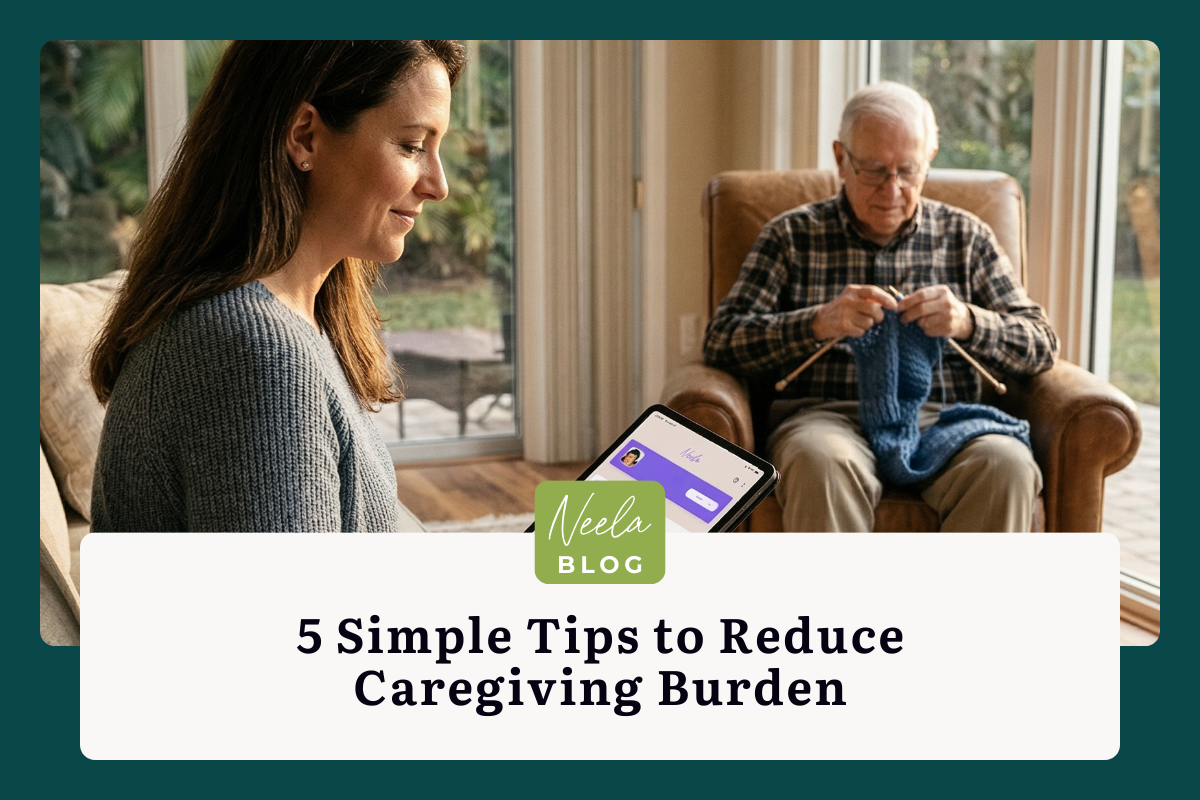
5 Simple Tips to Reduce Caregiving Burden
The moment you realize you've forgotten your own doctor's appointment for the third time this year, something shifts. You've been so focused on...
12 min read
Alexis Villazon : Updated on February 8, 2026

Respite care provides temporary relief for family caregivers while ensuring their loved one continues to receive safe, appropriate support. This assistance allows you to step away from caregiving responsibilities for a few hours or longer periods without worrying about your care recipient’s well being.
Getting respite services within 30 days is possible when you know where to begin. The process starts with understanding that taking a break is responsible caregiving, not abandonment. Many caregivers may feel overwhelmed by the ongoing demands of caregiving, and seeking respite is a proactive step to prevent burnout and maintain well-being.
Real Programs You Can Contact Today
Respite can range from a few hours per week to overnight stays lasting several weeks in short-term nursing facilities. The key is starting small and building trust with providers over time.
Using respite early demonstrates responsible family caregiving. It protects both you and your care recipient from the physical and emotional exhaustion that can lead to crisis situations.
Respite care is temporary support that gives unpaid family caregivers a planned break while ensuring their loved one continues receiving safe, appropriate care from trained professionals or volunteers. Respite care is especially valuable for an older adult with disabilities or chronic health conditions, as these individuals are often the primary recipients of such services.
Over 48 million unpaid family caregivers in the United States provide care worth an estimated $600 billion annually. These caregivers face daily responsibilities that can overwhelm even the most dedicated person: lifting and transferring multiple times per day, interrupted sleep patterns, managing complex medications, coordinating medical appointments, and providing around-the-clock supervision for conditions like dementia or autism. The demands of caregiving can also leave individuals feeling isolated, as social and emotional connections may be limited. Respite care can help address this isolation by providing caregivers with time to reconnect with others and care for their own well-being.
Family caregiving becomes especially challenging when caring for someone with progressive conditions. A spouse caring for a partner with Parkinson’s disease may need to assist with mobility every few hours. An adult child taking care of a parent with Alzheimer’s may not sleep through the night for months at a time.
Respite can be scheduled regularly, such as every Tuesday and Thursday afternoon, or arranged occasionally for specific needs like a five-day stay while the caregiver has surgery or travels for a family funeral. Some caregivers use respite once monthly for self care appointments, while others need several hours weekly to maintain their own health and social connections. For example, a local adult day center may offer half-day programs that allow caregivers to attend medical appointments or run errands while their loved one participates in supervised activities.
The benefit extends beyond simple temporary relief. Care recipients often enjoy the social interaction and engaging activities that respite provides, while caregivers return refreshed with renewed patience and energy for their caregiving role.
What takes place during respite depends on the setting, the care recipient’s needs, and the type of services arranged. The goal remains consistent: maintaining the person’s routine while giving the primary caregiver time away.
Home-based respite typically includes assistance with bathing, dressing, toileting, meal preparation, medication reminders, mobility support, and supervision. Trained aides can help transfer someone from bed to wheelchair, prepare lunch, and provide companionship during the caregiver’s absence.
Adult day centers offer structured environments with social activities, therapeutic programs, and professional oversight. A typical day might include music sessions, reminiscence groups for people with dementia, gentle exercise programs, arts and crafts, and social games. Many centers serve meals and provide transportation, creating a complete day program.
Residential respite in skilled facilities can monitor blood pressure, blood sugar levels, and wound care under nursing guidance. However, not all respite involves medical or skilled services - many programs focus on companionship, safety, and meaningful activities.
The people providing respite include trained home care aides from licensed agencies, adult day center staff with specialized training, nurses in skilled nursing facilities, vetted volunteers from faith communities or nonprofits, and sometimes relatives or trusted friends who receive training and support.
Professional respite providers follow care plans developed with the family, ensuring continuity in medications, dietary needs, mobility assistance, and behavioral support strategies.
Research consistently shows that regular respite care reduces caregiver stress, lowers depression scores, and improves overall health outcomes for those providing long-term family care. These benefits translate into measurable improvements in both caregiver and care recipient well-being.
Physical benefits become apparent quickly. Caregivers can sleep through the night without interruption, attend their own medical appointments for conditions like back strain from lifting, complete physical therapy sessions, or simply rest when exhausted from weeks of interrupted sleep.
Emotional and mental health improvements include time to reconnect with friends, attend caregiver support groups, practice spiritual or religious activities, and engage in hobbies or interests that provide personal fulfillment. Even a few hours of uninterrupted quiet time can restore emotional balance. Respite care can also improve a caregiver's sense of well-being by providing much-needed breaks from daily responsibilities.
The long-term impact proves significant. Regular respite - as little as four to eight hours weekly - can delay or prevent premature nursing home placement for care recipients. Studies show that supported family caregivers can continue providing home-based care longer, benefiting both the care recipient who prefers staying home and families dealing with the high costs of residential care. Respite care provides short term relief that can prevent caregiver burnout and support ongoing caregiving.
Real scenarios illustrate these benefits:
Each situation demonstrates how targeted temporary relief protects the entire family system while supporting the care recipient’s continued independence.
Respite care serves any unpaid caregiver providing regular assistance to a family member, friend, or neighbor. This includes spouses, adult children, parents, grandparents, siblings, and even close friends who have taken on significant caregiving responsibilities.
Specific situations where respite proves especially valuable:
Respite serves caregivers regardless of their employment status. Working caregivers often need evening or weekend respite to balance job responsibilities with family caregiving. Stay-at-home caregivers benefit from regular breaks to maintain their own health and social connections.
Geographic challenges don’t eliminate respite options. Rural caregivers may have fewer services available, but even monthly or occasional respite provides meaningful support. Some programs offer flexible scheduling to accommodate transportation limitations.
Transition periods create particular demand for respite assistance. Hospital discharge periods, intensive cancer treatment schedules, or times when the caregiver faces their own illness or surgery require temporary increases in support.
Age spans all populations. Pediatric respite programs serve families caring for children with special needs, while adult day services primarily support families caring for older adults. The common factor is the need for temporary relief that allows family caregivers to sustain their long-term commitment.
Caregivers can combine several types of respite over time as their loved one’s needs change and their own circumstances evolve. Understanding the options helps families choose the best fit for their current situation. For example, some communities offer weekend respite programs at local community centers, giving caregivers a full day of relief while their loved ones participate in group activities.
Professional in-home care involves trained aides from licensed agencies who provide three to eight hours of supervision and assistance. These workers can help with personal care, meal preparation, medication reminders, and companionship while the family caregiver runs errands, attends appointments, or simply rests. In-home respite services may not be covered by health insurance, so families often pay for these services out of pocket.
Volunteer-based programs offer companionship visits, typically one to four hours weekly. Faith-based organizations, community groups, and nonprofit organizations often coordinate these services, focusing on social interaction and light assistance rather than personal care.
Adult day centers operate structured programs during typical business hours, often four to eight hours per day on weekdays. Many programs include transportation, meals, therapeutic activities, and professional supervision. Some centers specialize in dementia care, while others serve broader populations with chronic illnesses or disabilities.
Adult day health programs add nursing oversight and can monitor chronic conditions like diabetes or high blood pressure. These programs often accept Medicaid funding and serve individuals who need more medical supervision than traditional adult day services provide.
Assisted living facilities may offer short-term stays ranging from one night to several weeks. This option works well when caregivers need to travel or require extended recovery time from their own medical procedures.
Skilled nursing facilities provide respite for individuals with complex medical needs requiring nursing supervision. Medicare covers up to five consecutive days of hospice respite care for terminally ill individuals.
Emergency respite addresses sudden caregiver crises, such as when the primary caregiver is hospitalized unexpectedly. Local agencies and crisis programs can sometimes arrange same-day or next-day placement.
Easterseals and similar organizations operate day camps and overnight programs for children and adults with disabilities, combining respite for families with recreational opportunities for participants.
VA respite programs serve eligible veterans and their families through various formats, including adult day health programs and short-term institutional stays.
Availability and program names vary significantly by region. Local Area Agencies on Aging maintain the most current directories for each community, while the ARCH National Respite Network provides online tools to locate services across different age groups and disability types.
Respite care costs vary widely depending on location, provider type, and the level of medical supervision included. Understanding payment options helps families budget for regular respite use rather than waiting for crisis situations.
Hourly in-home care typically ranges from $15 to $30 per hour through agencies, with higher rates for skilled care or overnight supervision. Independent providers may charge less but require more coordination from families.
Adult day services generally cost $50 to $100 per day, often including meals, transportation, and structured activities. Programs with nursing oversight or specialized dementia care command higher fees.
Overnight facility stays can range from $150 to $400 per night, depending on the level of care provided and local market rates.
Payment Sources and Funding Options
Private payment remains the most common funding source, with families paying directly from personal resources or their loved one’s assets.
Long-term care insurance policies increasingly cover respite services, though coverage varies by policy terms and may require pre-authorization.
Medicaid waiver programs in many states fund respite for eligible individuals, particularly those with developmental disabilities or those participating in home and community-based services programs.
Veterans benefits include respite programs for eligible veterans through the VA healthcare system and VA Caregiver Support Programs.
National Family Caregiver Support Program provides some funding for respite through state aging networks, though demand typically exceeds available resources.
Lifespan Respite programs in participating states coordinate funding and services across age groups and disabilities.
Disease-specific organizations like the Alzheimer’s Association, cancer societies, and rare disease foundations sometimes provide grants or emergency respite funding for families facing particular challenges.
Local charitable organizations, community foundations, and faith communities may offer respite funding or volunteer-based services.
When contacting providers, ask specifically about sliding-scale fees, scholarship programs, and any grants they may offer for families with limited income. Many organizations prefer to work with families on payment rather than turn them away entirely.
Finding respite services becomes manageable when you know which organizations specialize in connecting caregivers with local resources. You don’t need to search alone - many established networks exist specifically to help families navigate available options.
Area Agencies on Aging serve every U.S. county and maintain comprehensive directories of local respite programs. Staff members can explain eligibility requirements, costs, and waiting lists for different services.
Aging and Disability Resource Centers (ADRCs) provide one-stop information for people of all ages with disabilities and their families. These centers coordinate across multiple funding streams and can identify respite options that families might not find independently.
Eldercare Locator (1-800-677-1116 or eldercare.acl.gov) connects callers directly to local aging services and can provide immediate phone numbers for respite programs in specific geographic areas.
ARCH National Respite Network maintains an online respite locator at archrespite.org that searches by zip code across age groups and disability types.
Hospital social workers, palliative care teams, and primary care clinic staff often maintain referral lists for trusted respite providers. These professionals see the results of different programs and can recommend services with strong track records.
Disease-specific organizations provide targeted respite information:
Community Resources
Faith communities, local YMCAs, community centers, and senior centers often host respite programs or can refer families to trusted providers. These organizations understand local networks and may offer volunteer-based options alongside professional services.
When contacting respite services, gather essential information to make informed decisions:
Many caregivers delay using respite services for emotional reasons rather than lack of information or funding. These feelings are normal parts of the caregiving experience, but they shouldn’t prevent families from accessing support that benefits everyone involved.
Common fears include specific concerns: worry that no one else will understand the care recipient’s complex routine or communication needs, fear that the person will fall or experience medical emergencies while the family caregiver is away, anxiety that the care recipient will feel abandoned or confused by temporary changes, and deep-seated belief that “good” family members don’t ask for outside help.
Start with short trial periods. Schedule the first respite visit for two to three hours while you run essential errands nearby. This allows you to return quickly if needed and gives both you and your loved one time to adjust to new routines.
Be present for initial visits. Stay home the first time a new aide or volunteer arrives. Observe how they interact with your care recipient and explain important details about medications, mobility needs, or behavioral triggers.
Create detailed care plans. Write down daily routines, medication schedules, emergency contacts, and any specific techniques that work well for your loved one. Having written plans helps new providers deliver consistent care.
Request regular communication. Ask respite providers to send text updates or call during longer visits. Knowing how your loved one is doing allows you to relax and benefit from the break.
Long-term caregiving resembles a marathon more than a sprint. Just as marathon runners need scheduled rest and recovery, family caregivers need regular breaks to sustain their commitment over months or years.
Consider this perspective: A daughter caring for her mother with dementia initially felt guilty about using adult day services twice weekly. After three months, she realized that her mother enjoyed the social interaction and musical activities, while she returned home more patient and emotionally available. The respite improved their relationship rather than diminishing it.
Using respite services early and regularly prevents caregiver burnout that can lead to crisis situations, emergency hospitalizations, or premature nursing home placement - outcomes that nobody wants.
Demand for respite services across the United States exceeds current supply, creating waiting lists and unmet needs for thousands of family caregivers. This gap affects families caring for people of all ages and disability types.
National initiatives are working to address these challenges. Lifespan Respite programs coordinate resources across age groups rather than maintaining separate systems for children, adults, and seniors. The National Respite Coalition advocates for increased funding and improved coordination between federal, state, and local respite programs.
State leadership examples show what’s possible with coordinated planning. States like Oregon, Nebraska, and Wisconsin have developed Lifespan Respite systems that make it easier for caregivers to find appropriate services through single entry points rather than navigating multiple agencies and eligibility requirements.
Share your story with local legislators and state representatives. Personal accounts of how respite services helped or how lack of services created hardship carry more weight than statistics alone.
Join caregiver coalitions in your state or community. These groups often coordinate advocacy efforts and share information about new funding opportunities or program expansions.
Participate in research and surveys about caregiver needs when opportunities arise. Data collection helps organizations document unmet demand and justify funding requests.
Improving respite access creates benefits beyond individual families. Research shows that adequate respite reduces emergency room visits, prevents premature institutionalization, and supports families in providing home-based care longer. These outcomes make respite expansion a public health and economic priority that benefits entire communities.
Respite care represents a necessity, not a luxury, in sustainable family caregiving. Taking regular breaks protects both your own health and your loved one’s continued independence by preventing the exhaustion and burnout that can lead to crisis situations.
Early use of respite services demonstrates strength and commitment to providing quality care over the long term. Families who integrate respite into their routine from the beginning often avoid the emergency situations that force sudden, unwanted changes in living arrangements.
Talk with one trusted person about your need for regular breaks from caregiving responsibilities. This might be a family member, close friend, healthcare provider, or spiritual advisor who can provide emotional support as you explore respite options.
Make one phone call to a local resource like your Area Agency on Aging or state disability office. Ask for a list of respite providers in your area and information about eligibility for any funding programs.
Schedule one short trial respite session within the next month. Start with just two or three hours to build confidence and trust with a new provider.
Create a written list of your loved one’s daily routines, medications, preferences, and emergency contacts. Having this information organized makes it easier to share care responsibilities with respite providers.
Asking for and accepting help represents an act of strength and dedication to the person you care for. Professional respite providers understand the challenges you face and want to support your caregiving journey.
Remember that your respite needs will likely change over time as your loved one’s condition evolves and your own circumstances shift. Revisit your options regularly rather than waiting for a crisis to force changes.
The respite services available in your community exist because other caregivers have faced similar challenges and advocated for the support that families need. You deserve access to these resources, and using them helps ensure that you can continue providing loving care for as long as possible.
Every caregiver’s situation is unique, but no one should face the challenges of family caregiving entirely alone. Respite services provide the breathing room that makes long-term caregiving sustainable and helps preserve the precious relationships between family members even in the most difficult circumstances.
Complete the form to receive notifications when new blogs are posted. You will only receive an email once a month!
1 min read
The moment you realize you've forgotten your own doctor's appointment for the third time this year, something shifts. You've been so focused on...

1 min read
You're standing in a hospital parking lot, phone in one hand, coffee going cold in the other, trying to remember whether Mom's cardiologist said to...

1 min read
Understanding the Role of Senior Companionship Care As people age, their needs extend beyond medical care. While doctors and medications address...