National Family Caregiver Support Program (NFCSP) Guide
Discover support for family caregivers through the National Family Caregiver Support Program, including services, eligibility, and how to access...
10 min read
Alexis Villazon : Published Updated
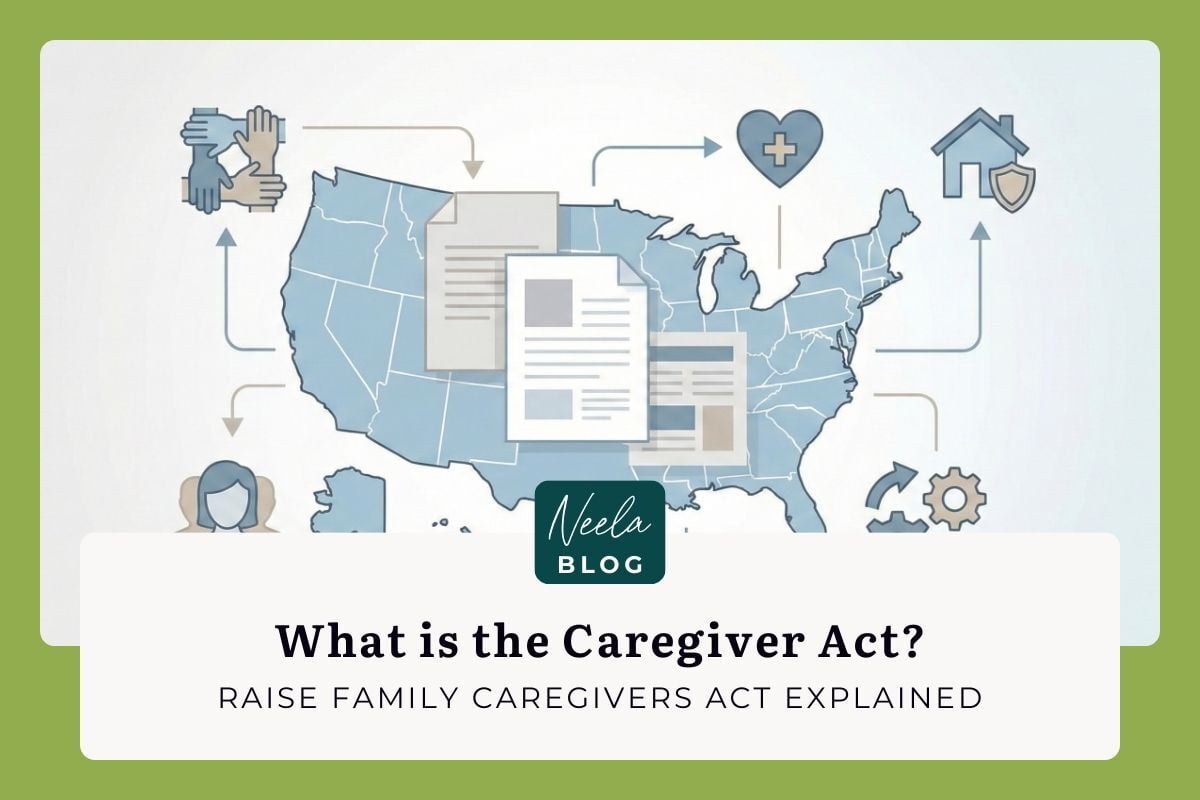
When people search for the “Caregiver Act,” they usually want to know one thing: is there a federal law that helps family caregivers? The answer is yes, but not in the way many expect. The law most commonly called the Caregiver Act is actually the RAISE Family Caregivers Act, a federal framework designed to recognize and support the millions of Americans who provide unpaid care to loved ones. The short title of this law, as specified in the bill's opening section, is the RAISE Family Caregivers Act.
This article explains what the act does, who it covers, and what it means for caregivers in practical terms. It also clarifies what the law does not do, helping readers set realistic expectations about benefits and services.
Family caregivers form the foundation of health services in America. They provide essential support to loved ones with chronic conditions, disabilities, or age-related challenges. These caregivers include adult family members, friends, and neighbors. They help with daily living tasks, health care coordination, and emotional support. Most work without pay or formal recognition. Their efforts benefit millions of families and communities nationwide.
The Department of Health and Human Services recognized this critical role. They prioritized support for family caregivers through specific legislation. The RAISE Family Caregivers Act was signed into law in January 2018. RAISE stands for Recognize, Assist, Include, Support, and Engage. The act addresses caregivers' unique needs directly. It ensures access to resources, education, and respite options. The legislation creates a national family caregiving plan. It requires the Department of Health to develop a comprehensive Family Caregiving Strategy. This strategy guides federal, state, and local support efforts. The focus remains on person-centered care, care coordination, and long-term services.
The law established the RAISE Family Caregiving Advisory Council as a key feature. This council brings together representatives from diverse backgrounds. Members include family caregivers, older adults, and individuals with disabilities. Health care providers, long-term services professionals, and employers participate. Paraprofessional workers, state officials, local officials, and veterans contribute expertise. The Advisory Council advises on recognition and support methods for family caregivers. Their initial report inventories federally funded efforts. It assesses current programs and recommends coordination improvements. The report identifies specific challenges caregivers face daily.
Additional programs support family caregivers beyond the RAISE Act. The Veterans Affairs department operates the Program of Comprehensive Assistance for Family Caregivers (PCAFC). This program provides respite care, education, and training to eligible veteran caregivers. State and local initiatives complement federal programs. Together, these programs ensure caregivers access necessary assistance and resources. They help caregivers provide safe and effective care.
Supporting family caregivers benefits both care recipients and the broader community. The RAISE Family Caregivers Act addresses caregiving challenges directly. Related programs promote better outcomes for families across America. Education and training empower caregivers to continue their vital work. Coordinated services ensure loved ones receive proper care and support. These efforts recognize the essential role caregivers play in American healthcare.
The term “Caregiver Act” most often refers to the RAISE Family Caregivers Act, a federal law signed by President Donald Trump on January 22, 2018. RAISE stands for Recognize, Assist, Include, Support, and Engage family caregivers.
This law does not provide direct cash benefits or payments to individual caregivers. Instead, it directs the U.S. Department of Health and Human Services to develop a national strategy that improves how the federal government supports family caregivers.
Here is what the act does in summary:
The national strategy is developed and implemented in a manner that addresses the diverse needs and circumstances of family caregivers, ensuring support is person- and family-centered and aligns with best practices.
The law includes a five-year sunset provision from the date of enactment, meaning its authority expires unless Congress renews or builds on it through later legislation. However, the strategies, reports, and best practices developed under the act can continue to influence policy even after the sunset date.
The United States has tens of millions of unpaid caregivers. Estimates place the number around 53 million adults who provide care to older adults, people with disabilities, children with special needs, and veterans. This includes approximately 5.5 million people caring for eligible veteran family members.
The economic impact of this unpaid work is substantial. In 2017, researchers estimated the value of unpaid caregiving at approximately $470 billion annually. Despite this contribution, family caregivers often received little formal recognition or support from government programs.
Before the RAISE Family Caregivers Act, support for caregivers was fragmented:
Bipartisan concern in Congress grew as evidence mounted about caregiver stress, financial strain, and lack of respite care options. Caregivers frequently reported leaving jobs, depleting savings, and experiencing burnout without adequate resources or assistance.
This led to the introduction of the RAISE Family Caregivers Act in 2017. The bill passed unanimously in both the Senate and the House of Representatives, reflecting broad agreement that caregivers deserved better national recognition and coordinated support.
The RAISE Family Caregivers Act is a framework law. It directs the federal government to plan, coordinate, and share best practices rather than creating a new benefit program with direct payments.
The core functions of the act include:
The act applies to adult family members and other informal caregivers who help people with chronic illness, disability, or functional limitations. Care can occur in home settings or community environments.
Central to the law is an emphasis on person and family centered care. This means viewing caregivers as partners in health care delivery, not just invisible support. The act promotes better care coordination across health care settings, long term services, and community programs.
Implementation falls primarily to the Administration for Community Living within the Department of Health and Human Services, though multiple agencies participate in carrying out the strategy.
The act defines “family caregiver” broadly. It does not limit the term to blood relatives or legal family members.
Under the law, a family caregiver is:
The types of help covered include:
This definition is used for planning and policy purposes. It does not automatically qualify someone for a specific benefit, payment, or program. Eligibility requirements for actual services depend on the individual programs that provide care.
The centerpiece of the RAISE Family Caregivers Act is the national Family Caregiving Strategy. This strategy guides how federal agencies, states, employers, and communities approach caregiver support.
The strategy development process works as follows:
The first national strategy outlined nearly 350 federal actions to improve caregiver support. It also included over 150 recommendations for state and local implementation. These recommendations are grounded in four principles:
The strategy serves as a roadmap, not a mandate. It guides priorities and encourages alignment across different levels of government and sectors.
The law specifies topics the national strategy must address. These focus areas shape both federal actions and recommendations to states and communities.
Key focus areas include:
The strategy also aims to fill gaps where unpaid caregivers have few or no supports available. This includes reaching caregivers in rural areas, those caring for people with specific health conditions, and caregivers from underserved communities.
Caregivers may not feel immediate changes from the RAISE Family Caregivers Act. The law works at a systems level, shaping policies and programs over time rather than delivering direct services.
However, the act influences support in several practical ways:
The act does not guarantee new benefits on its own. However, it shapes how existing programs like Medicaid waivers, VA caregiver support, aging services, and disability services prioritize caregiver needs.
When seeking resources, caregivers can look for state or local initiatives that reference the RAISE Act or the national strategy. Programs aligned with the strategy may offer training, respite, counseling, or navigation assistance.
The RAISE Family Caregivers Act influences policy directions rather than prescribing exact programs. Different states and organizations have responded in various ways.
Examples of changes include:
The initial report to Congress from the Advisory Council, published in September 2021, identified five overarching goals for supporting caregivers. These goals continue to guide federal priorities and inform state and community planning.
The RAISE Family Caregiving Advisory Council is the expert group created by the act to guide development of the national strategy. The council brings together diverse perspectives on caregiving.
Council members include:
Federal agencies participate as nonvoting members. Representatives come from:
The council meets regularly throughout the year. Meetings include opportunities for public input and comment. The council issues annual reports assessing federal progress, identifying challenges, and recommending improvements.
Interested caregivers can follow council activities through the Administration for Community Living and Department of Health websites. Meeting materials, reports, and recordings are typically available to the public.
Early council reports to Congress distilled many recommendations into a focused set of overarching goals. These goals guide both the national strategy and future policy development.
The five goals are:
These goals shape federal priorities and inform how states and communities design their own caregiver support programs.
The RAISE Family Caregivers Act does not authorize new federal funding. Instead, it directs agencies to use existing appropriations to carry out its provisions.
This means:
The law includes a five-year sunset provision. Authority tied specifically to the act expires five years after the January 2018 enactment unless Congress extends or replaces it with new legislation.
Even after the sunset date, the strategies, reports, and best practices developed under the act remain available. Federal agencies can continue using the national strategy as guidance. States and communities can continue implementing recommendations.
Caregivers should understand that the act creates a planning framework, not a permanent entitlement program. Future legislation may build on or expand what the RAISE Act started.
The RAISE Family Caregivers Act does not replace existing programs. It is a planning and coordination law that overlays programs already serving caregivers.
Related programs with their own eligibility requirements include:
|
Program |
Administering Agency |
What It Provides |
|
Program of Comprehensive Assistance for Family Caregivers (PCAFC) |
Veterans Affairs |
Stipends, training, and support for caregivers of eligible veterans |
|
National Family Caregiver Support Program |
Administration for Community Living |
Respite, counseling, and support services for caregivers of older adults |
|
Medicaid Home and Community-Based Services |
State Medicaid agencies |
Personal care, respite, and other services varying by state |
|
State Caregiver Support Programs |
State departments |
Varies by state, may include respite credits, training, or resource centers |
Applications, eligibility, and benefits for these programs are governed by their own rules, separate from the RAISE Act itself.
To find concrete services, caregivers should contact Neela:
The RAISE Act is about national strategy. Actual benefits and services come through the individual programs it helps coordinate.
The name “Caregiver Act” creates confusion. Many people expect more than the law actually provides.
Common misconceptions include:
|
Misconception |
Reality |
|
The act pays cash stipends to caregivers |
It does not. Stipends come from specific programs like VA PCAFC, not the RAISE Act |
|
The act guarantees job-protected leave |
It does not. Leave protections depend on state laws and employer policies |
|
The act replaces state programs |
It does not. State programs continue operating under their own rules |
|
The act creates uniform services nationwide |
It does not. Services vary by location based on state and local implementation |
For actual benefits, caregivers should look to:
The RAISE Act improves coordination and planning, but does not deliver services directly.
Caregivers interested in policy can engage with ongoing implementation of the RAISE Family Caregivers Act and related efforts.
Practical actions include:
Understanding the national strategy helps caregivers know what efforts exist at the federal level. Combining this awareness with local resource navigation provides the best path to real-world help.
Local resources to explore:
While the RAISE Family Caregivers Act does not deliver direct benefits, it represents a national commitment to recognizing and supporting the millions of family members who provide care every day. Staying informed about its implementation helps caregivers advocate for the resources they need.
Complete the form to receive notifications when new blogs are posted. You will only receive an email once a month!
%20Guide.jpg)
Discover support for family caregivers through the National Family Caregiver Support Program, including services, eligibility, and how to access...
Discover the VA Family Caregiver Program's benefits, eligibility criteria, and application process to support veterans and their caregivers...

Learn when and how family caregivers can get paid through Medicaid, VA benefits, paid family leave, insurance, and private care agreements.