1 min read
How Can AI Help Family Caregivers in 2026?
Caring for a family member is one of the most meaningful things you'll ever do, and also one of the hardest. Between managing medications,...
5 min read
Alexis Villazon : Updated on August 25, 2026
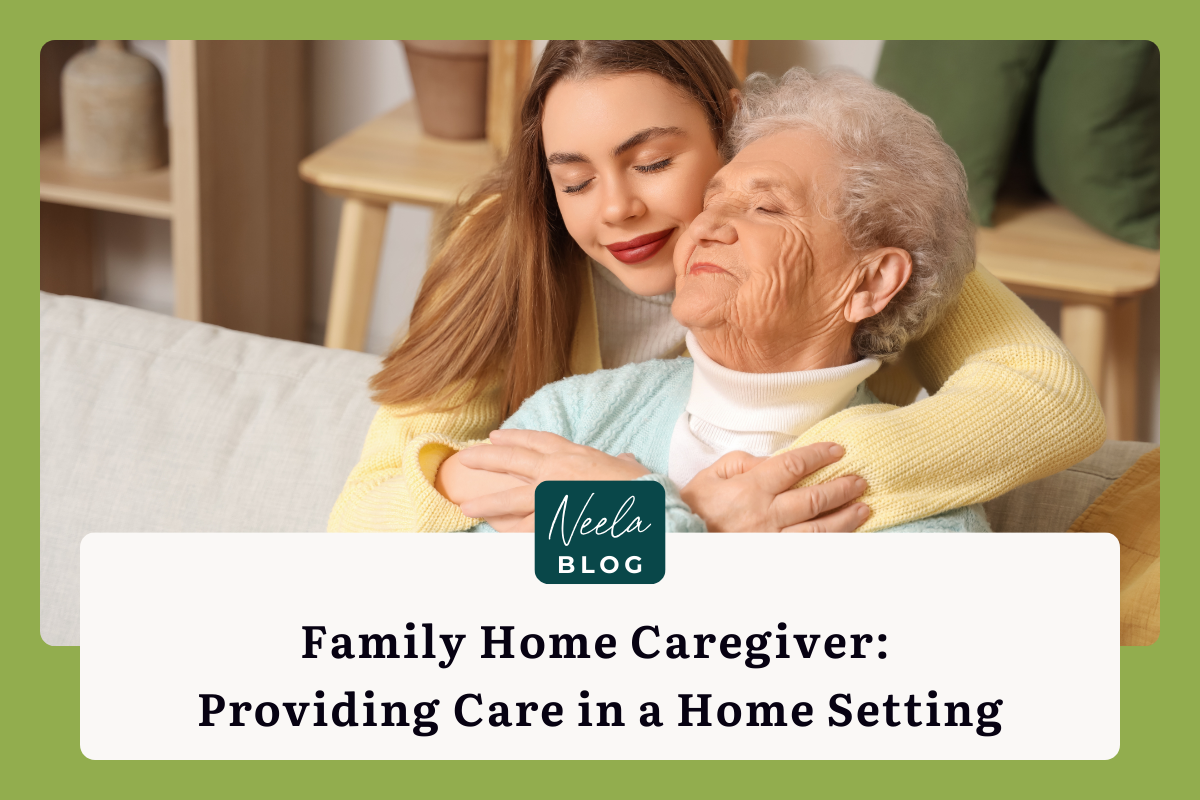
Family caregiving is often described as an act of love. In reality, it is also a complex, demanding role that requires coordination, physical effort, and constant decision-making. Most caregivers are unprepared for how quickly responsibilities expand.
Nearly 63 million Americans provide unpaid care to family members, and most of us learn on the job. We figure out medication schedules through trial and error, discover fall risks after someone gets hurt, and burn out because we never learned that self-care isn't selfish. This guide covers what most families wish they'd known from the start: the real responsibilities of providing care in a home setting, how to modify your space for safety, and the financial and emotional strategies that make long-term caregiving sustainable.
The scope of home caregiving surprises most families. You're not just helping out; you're becoming a care coordinator, advocate, and daily support system rolled into one.
ADLs form the backbone of daily care: bathing, dressing, toileting, transferring between bed and chair, and eating. These tasks seem straightforward until you're helping someone with limited mobility shower safely or managing incontinence with dignity intact.
Families consistently underestimate how physically demanding this work becomes. Helping someone stand from a seated position, done incorrectly, leads to back injuries for caregivers within months. Learning proper body mechanics early saves you from becoming a patient yourself. Occupational therapists can demonstrate techniques in a single session that protect both of you.
Beyond physical assistance, track patterns. Note which days are harder, what times confusion increases, how appetite fluctuates. Tools like Neela help centralize these observations so you're not relying on memory when doctors ask how things are going.
Medication management goes beyond filling a pill organizer. You're tracking refill dates, monitoring for side effects, coordinating between multiple prescribers who may not communicate with each other, and ensuring nothing dangerous gets mixed.
Create a master medication list with drug names, dosages, prescribing doctors, and what each medication treats. Update it after every appointment. Keep copies in your car, your phone, and a physical binder at home. When emergencies happen, you won't have time to search.
Isolation accelerates cognitive and physical decline faster than almost any disease. Your loved one needs conversation, engagement, and connection to their previous identity.
This doesn't mean entertaining them constantly. It means preserving routines they valued, facilitating calls with old friends, and finding activities that match their current abilities. Someone who loved gardening might not manage a full plot anymore, but they can tend container plants on the porch. Meeting people where they are, rather than mourning who they were, makes daily life better for everyone.
Most homes weren't designed for caregiving. Modifications range from simple fixes you can do this weekend to larger projects requiring contractors.
Start with the bathroom, where most falls occur. Grab bars near the toilet and inside the shower cost under $50 and take an hour to install properly. Non-slip mats, a shower chair, and a handheld showerhead transform bathing from dangerous to manageable.
Wider doorways accommodate wheelchairs and walkers, but before committing to construction, try offset hinges that add two inches of clearance for under $20. Remove throw rugs everywhere. Yes, everywhere. That decorative runner in the hallway is a fall waiting to happen.
Bedroom setup matters too. Bed rails help with repositioning but can trap confused patients; choose carefully based on cognitive status. A bedside commode eliminates nighttime trips to the bathroom when mobility is lowest and lighting is poor.
Falls among older adults result in 3 million emergency room visits annually. Prevention requires addressing multiple factors:
Document any falls, including near-misses. Patterns reveal problems: if falls cluster in the evening, fatigue or medication timing might be the culprit.
The physical tasks of caregiving get discussed often. The emotional toll gets minimized until it becomes a crisis.
Burnout doesn't arrive suddenly. It builds through months of interrupted sleep, postponed personal needs, and the slow erosion of your identity outside caregiving.
Physical warning signs include frequent illness, chronic exhaustion despite rest, unexplained weight changes, and persistent headaches or muscle tension. Emotional signs show up as resentment toward your loved one, withdrawal from friends, feeling trapped, and losing interest in activities you previously enjoyed.
A present, emotionally available caregiver matters more than a technically perfect but exhausted one. Good enough caregiving, where you're engaged and sustainable, beats burnout every time.
Respite care isn't a luxury or an emergency escape hatch. It's essential infrastructure that allows you to continue caregiving long-term.
Options include adult day programs, in-home respite providers, and short-term residential stays. Cost varies widely: adult day programs run $75-150 daily, while in-home aides charge $20-35 hourly depending on location and skill level.
First step: create a care document that any respite provider can follow. Include medication schedules, mobility needs, and the soft details that make care personal: favorite conversation topics, foods they'll actually eat, techniques that calm anxiety. Neela can help organize this information so handoffs feel less chaotic.
Support groups, whether in-person or online, connect you with people who understand without explanation. The Alzheimer's Association, local hospitals, and Area Agencies on Aging maintain directories of caregiver groups.
Money conversations feel uncomfortable, but avoiding them creates worse problems later.
Medicare covers limited home health services after hospitalization but doesn't pay for ongoing personal care assistance. Medicaid, for those who qualify financially, offers more comprehensive coverage including personal care attendants.
One common misconception: many families don't realize that Medicaid programs in most states can pay family members to provide care. These programs, often called Cash and Counseling or Consumer-Directed Services, recognize that family caregiving is a cost-effective alternative to nursing home placement while often producing better outcomes. Your Area Agency on Aging can explain your state's specific programs.
Veterans and their spouses may qualify for Aid and Attendance benefits adding $1,500-2,500 monthly for care needs. The VA application process is notoriously slow; start early.
Four documents matter most: healthcare power of attorney, financial power of attorney, a living will or advance directive, and a HIPAA authorization allowing you to access medical information.
Complete these while your loved one can still participate in decisions. Once cognitive decline advances, establishing these documents becomes legally complicated and emotionally harder.
Keep originals in a fireproof safe, copies in a physical emergency binder by your front door, and digital versions stored securely. Neela provides a centralized place for care documents that you can access from anywhere and share with healthcare providers when needed.
You're the constant in your loved one's care; medical professionals rotate through. Your coordination makes the difference between fragmented and cohesive treatment.
Prepare for appointments by writing questions beforehand and bringing your medication list and recent observations. Doctors have limited time; organized information gets better responses.
Don't minimize symptoms to avoid seeming like a complainer. That personality change you've noticed, the new difficulty with stairs, the increased confusion in evenings: these details matter diagnostically. If something concerns you, say so directly.
Home health services, when covered, typically include skilled nursing, physical therapy, occupational therapy, and home health aides for personal care. These professionals become your partners, not replacements.
Ask therapists to teach you the exercises they're doing so you can continue between visits. Request that nurses explain warning signs specific to your loved one's conditions. The goal is building your competence, not creating dependency on professionals who visit briefly.
Sustainable caregiving requires protecting your own health while providing meaningful care. Schedule your own medical appointments and keep them. Maintain at least one activity that's purely yours. Accept help when offered, and ask for it when not offered.
Your loved one's quality of life depends on engagement, dignity, and connection, not just physical safety. Find moments of joy within limitations. Celebrate small victories. Acknowledge hard days without letting them define the journey.
Family caregiving in a home setting is demanding, complicated, and often thankless work. It's also profoundly meaningful. With the right knowledge, support systems, and realistic expectations, you can provide excellent care without sacrificing yourself in the process.
Complete the form to receive notifications when new blogs are posted. You will only receive an email once a month!
1 min read
Caring for a family member is one of the most meaningful things you'll ever do, and also one of the hardest. Between managing medications,...
1 min read
Roughly 63 million Americans now provide ongoing care to a loved one, and each of those caregivers juggles a staggering amount of information:...
1 min read
Caring for a family member is one of the most meaningful things you'll ever do, and it's also one of the most complex. If you've been providing care...