1 min read
5 Simple Tips to Reduce Caregiving Burden
The moment you realize you've forgotten your own doctor's appointment for the third time this year, something shifts. You've been so focused on...
9 min read
Alexis Villazon : Updated on September 10, 2026
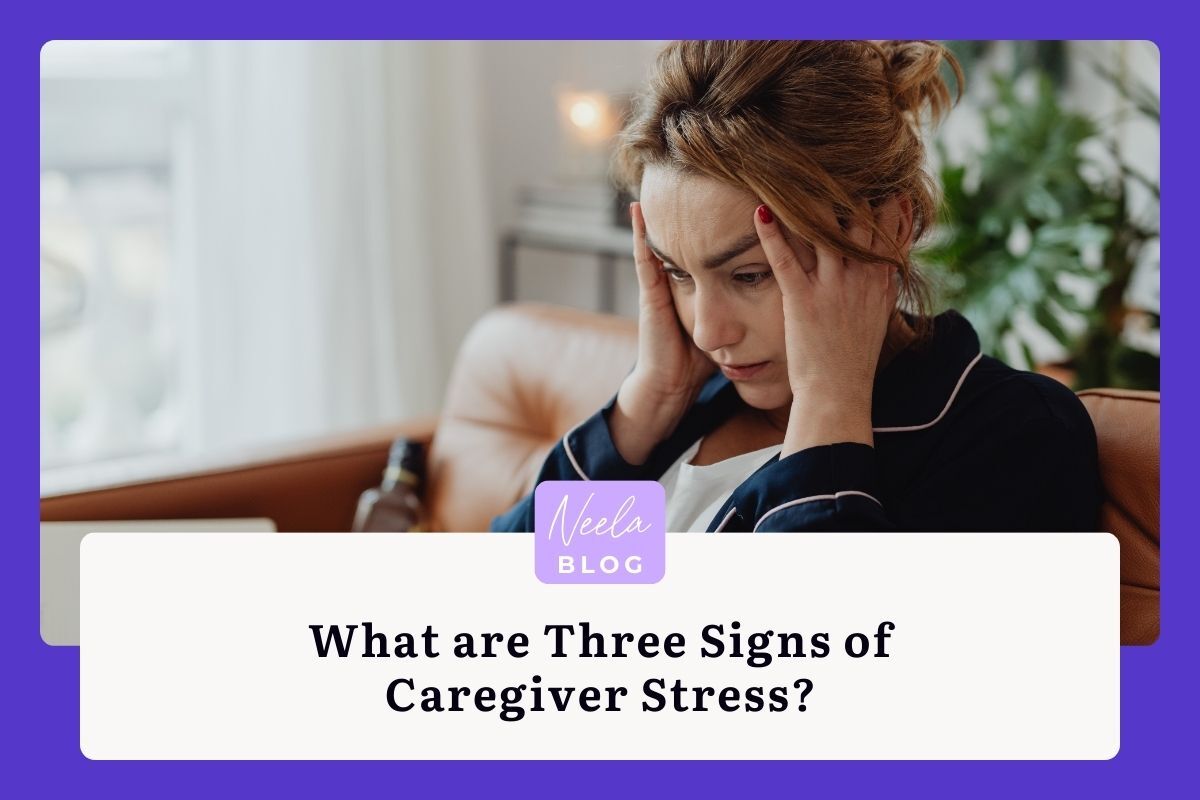
The three most common signs of caregiver stress are (1) physical and emotional exhaustion that sleep doesn't fix, (2) irritability and mood changes, and (3) social withdrawal and isolation. This guide explains how to recognize each one and what to do next.
Caregiver stress is more than feeling tired. It builds as the demands of caring for an aging parent, a spouse with a chronic illness, or a family member with a disability stack up, and it affects mood, energy, and physical health long before it looks like a crisis. Caregivers skip meals, lose sleep, and put off their own medical appointments while they focus on a loved one's needs, and over time that pattern erodes both their health and the quality of care they can give. Spotting the signs early is what keeps stress from becoming burnout.
Caregiver stress is the chronic emotional stress, physical strain, and mental exhaustion that develops when someone provides ongoing care for a loved one with chronic illness, disability, or conditions like Alzheimer’s disease. This stress builds gradually as caregiving responsibilities accumulate and rest becomes harder to find.
The scope of caregiving in the U.S. is significant. More than 50 million Americans serve as family caregivers, according to AARP and the National Alliance for Caregiving, and most balance those duties alongside jobs, parenting, and their own health needs.
Even when caregiving feels meaningful, the constant care required can quietly build stress. Disrupted sleep, financial pressure, and the weight of caregiving duties add up. A caregiver may not notice the toll until symptoms become difficult to ignore.
There is a difference between feeling tired after a long day and experiencing ongoing stress that does not improve with rest. Normal tiredness fades after a good night’s sleep. Caregiver stress persists. A good night's sleep is crucial for caregivers' physical and mental health, but ongoing stress can make it difficult to achieve restorative sleep, increasing the risk of health problems. It shows up as chronic fatigue, constant worry, and feeling overwhelmed even on days that seem manageable.
Spotting three early signs can help caregivers take action before reaching full burnout. The sections below explain each sign in detail.
Caregiver stress shows up in the body, mood, and behavior. It rarely appears in just one area. Physical symptoms often accompany emotional exhaustion, and both can drive changes in how caregivers interact with others.
The three major signs are:
Caregivers might experience one, two, or all three signs. The intensity can change week to week depending on the care recipient’s condition and available support.
As you read each subsection below, mentally check off which signs sound familiar to your experience.
This sign appears as constant tiredness that does not improve even with enough sleep, combined with feeling emotionally drained. Many caregivers describe waking up exhausted before the day begins.
Physical clues include:
Emotional clues include:
A common example involves a middle-aged daughter caring for a parent with dementia. She wakes multiple times each night to check on her mother, worrying about wandering or falls. By morning, she reports feeling as tired as when she went to bed. She then goes to work, returns home, and repeats the cycle. Despite getting 7-8 hours in bed, she never feels rested.
Prolonged exhaustion raises the risk of high blood pressure, depression, and mistakes in care. Stressed caregivers may forget to give medications on time or struggle with safe mobility tasks.
This sign involves feeling on edge, snapping at loved ones, or swinging between sadness, anger, and guilt more often than usual. Primary caregivers often feel frustrated over small things that previously would not have bothered them.
Examples include:
These mood shifts can be early symptoms of caregiver anxiety or depression, especially when they persist most days for two or more weeks.
Constant hypervigilance contributes to irritability. Listening for a call bell, watching for signs of a fall, or staying alert to behavioral changes keeps the nervous system activated. This chronic stress response leaves little room for calm.
The relationship impact can be significant. Strained communication develops with the person receiving care, with a partner, or with children. Caregivers often feel shame or guilt about these reactions, which adds another layer of emotional exhaustion.
|
Strategy |
How to Apply It |
|
Cool-down breaks |
Step away for 5 minutes when frustration builds |
|
Breathing techniques |
Use slow exhales to calm the nervous system |
|
Honest communication |
Tell a trusted friend or doctor about mood changes |
Acknowledging irritability is not a character flaw. It signals that too much stress has accumulated and adjustments are needed.
This sign involves gradually pulling away from friends, hobbies, religious activities, and community connections. Caregivers may stop responding to texts, decline invitations, or drop activities they started before caregiving began.
Tangible examples include:
Isolation quietly increases anxiety and depression. It removes emotional support and perspective that caregivers need. Without outside connections, the caregiving role can become all-consuming.
Common beliefs keep caregivers home:
These beliefs are understandable but often inaccurate. Short breaks rarely harm care quality and can improve it by reducing caregiver fatigue.
Community resources can help caregivers reconnect. Local Area Agencies on Aging, disease-specific organizations, and hospital-based support groups offer opportunities to meet others who understand the experience. Finding caregiving services like respite care services also creates time for social connection.
When caregiver stress goes unaddressed, it can progress to caregiver burnout. In severe cases, it leads to compassion fatigue, where caregivers feel detached from the person they care for and unable to empathize. If these signs have been building for months rather than weeks, our guide to caregiver stress syndrome symptoms walks through the full pattern in depth.
Each sign connects to later risks:
|
Sign |
Progression Risk |
|
Exhaustion |
Health crises, immune suppression, heart disease |
|
Irritability |
Chronic anger, clinical depression, relationship breakdown |
|
Isolation |
Hopelessness, severe anxiety, loss of support network |
Caregiver burnout feels like being empty, trapped, or resentful even when you love the person you care for. It involves feeling sad most of the time, losing interest in everything, and finding it hard to care anymore about outcomes.
A typical progression might look like this: A caregiver starts with poor sleep and mood changes. Over several months, exhaustion deepens. Social withdrawal follows. Eventually, the caregiver feels detached from the care recipient and unable to enjoy anything, even on rare days off.
Noticing stress at the three-signs stage is not failure. It is an opportunity to change routines, share tasks, or bring in outside help before health problems develop.
If multiple signs have been present most days for over a month, it is time to make a specific plan to reduce the load and get support.
Compassion fatigue is what happens when constant exposure to a loved one's suffering wears down your capacity to feel for them. It goes beyond general caregiver stress. Caregivers describe numbness, detachment, irritability, and a loss of motivation for tasks that once felt meaningful.
The warning signs are worth catching early. Emotional numbness, hopelessness, pulling away from loved ones, and avoiding caregiving duties all suggest compassion fatigue may be setting in. A mental health professional can help, and caregiver support groups offer a safe place to share the experience with people who understand it firsthand. Addressing compassion fatigue protects your mental health and restores the sense of purpose that makes compassionate care possible.
Addressing caregiver stress requires both small daily habits and structural changes in how care is shared. Neither alone is usually sufficient.
Concrete strategies:
Write down one or two changes you can make this week. Options include delegating transportation to medical appointments, ordering groceries online, or hiring short-term help for a few hours each month.
Setting boundaries matters. Decide on non-negotiable self-care blocks:
For those facing financial or time constraints, free and low-cost options exist:
Even small adjustments help. Improving your sleep routine, asking a neighbor to spend time with your loved one for an hour, or joining support groups can reduce stress noticeably over weeks.
One more lever is reducing what you have to hold in your head. Neela can help here: tell her what happened after an appointment or what you have been noticing week to week, and she remembers it. The details stop living in one exhausted person's memory, and patterns become easier to see and share with your care network.
Respite care gives you temporary relief so you can rest, handle errands, or simply be off duty for a while. It comes in several forms: in-home help, adult day programs, and short-term stays at assisted living or skilled nursing communities. Coverage can range from a couple of hours for errands to a longer stretch for real rest and recovery, depending on what your family needs.
To explore options, start with your local Area Agency on Aging, home health services, or community organizations, which can match services to your situation. Even brief, regular breaks restore energy and patience. Taking them is part of what makes caregiving sustainable over the long haul.
Managing someone else's health care is a job in itself. Appointments, medications, and treatments all need coordinating, and the workload piles up quickly without support. Healthcare professionals can lighten it: nurses bring specialized knowledge, and social workers connect families to community resources and caregiving services that fit their specific situation.
Work matters here too. Many employers offer flexible arrangements or unpaid leave for caregiving situations, so it is worth asking your human resources department what applies to you. The goal is a structure where your loved one's care and your own well-being both get real attention, because effective caregiving runs on support systems rather than sheer endurance.
Some situations require immediate professional help. Recognizing these moments protects both you and the person receiving care.
Red-flag warning signs requiring prompt attention:
Crisis resources:
In the U.S., dial or text 988 for the Suicide and Crisis Lifeline in a mental health crisis. Call 911 if anyone is in immediate physical danger.
When to contact a mental health professional or doctor:
Social workers, case managers, and caregiving navigators can help redesign care plans to reduce overload. Hospitals, hospice agencies, and Area Agencies on Aging often employ these professionals.
Asking for professional help is a sign of responsibility, not weakness. Protecting your own health and mental health protects your ability to provide quality care.
Keep key numbers accessible:
|
Contact |
Purpose |
|
988 |
Crisis lifeline for mental health emergencies |
|
Primary care doctor |
Ongoing health concerns and symptoms of caregiver stress |
|
Trusted friend or family member |
Immediate emotional support |
Save these in your phone or post them on the refrigerator where they are easy to find during a difficult moment.
Can I have caregiver stress even if I don’t provide 24/7 care?
Yes. Part-time caregivers and long-distance caregivers can experience significant stress. The mental load of coordinating care, worrying about a loved one from afar, and managing logistics creates emotional care burdens even without hands-on daily tasks. Many caregivers in these situations underestimate their stress because they compare themselves to full-time caregivers.
How is caregiver stress different from ordinary parenting or family stress?
Caregiver stress involves factors not present in typical family stress: performing medical tasks, maintaining constant vigilance for health changes, and often facing unpredictable decline in a loved one’s health conditions. The open-ended nature of caregiving, without a clear endpoint, adds weight that ordinary busy periods do not carry.
What if my family doesn’t understand how stressed I am?
Specific communication helps. Share a concrete list of your weekly caregiving tasks, including hidden work like coordinating appointments and managing medications. Invite family members to a medical appointment or ask them to cover care for a full day. Experiencing the workload firsthand often shifts understanding.
Are there specific resources for caregivers of people with dementia, cancer, or serious illness?
Yes. Disease-specific organizations offer tailored support. The Alzheimer’s Association provides caregiver support groups and educational resources. Cancer centers often have social workers and support programs for family caregivers. Hospice agencies offer counseling and respite care services. Searching for local resources through your healthcare system can connect you to nursing homes, home health services, and other caregiving services matched to your situation.
Can technology really help reduce caregiver stress?
Technology offers practical help for many caregivers. Medication reminder apps reduce the mental load of tracking doses. Telehealth visits allow caregivers to manage caregiver stress symptoms without leaving home. Shared online calendars help family members coordinate caregiving responsibilities. While technology cannot replace hands-on care, it can make coordination easier and free up mental energy for both you and your well being.
Complete the form to receive notifications when new blogs are posted. You will only receive an email once a month!
1 min read
The moment you realize you've forgotten your own doctor's appointment for the third time this year, something shifts. You've been so focused on...
1 min read
Caring for a loved one can be one of life’s most meaningful experiences, yet it can also become overwhelming when caregiving responsibilities consume...
1 min read
Key takeaways Caregiver burnout rarely stays contained. It changes the emotional tone of the household, increases conflict, and can disrupt finances...