What Is the Caregiver Act? (RAISE Family Caregivers Act Explained)
Learn about the RAISE Family Caregivers Act, a federal law designed to support and recognize unpaid family caregivers through coordinated national...
5 min read
Alexis Villazon : Published Updated
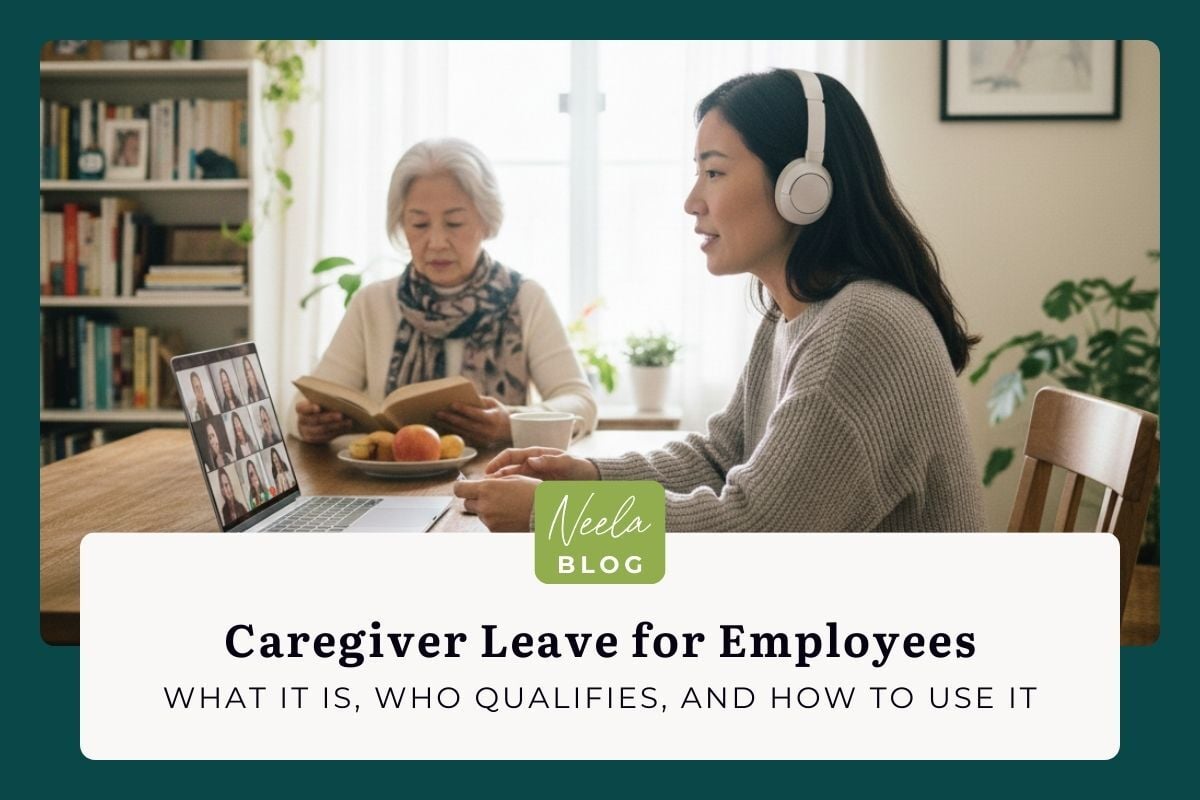
If you’re caring for a child, aging parent, partner, or family member with health needs while working, you are far from alone. National caregiving research estimates that about one in five adults in the U.S. provides unpaid care to a loved one. Many of those caregivers are also working full time.
Caregiving is rarely a short-term responsibility. Studies show that caregiving often lasts several years, not weeks or months, and may involve medical appointments, recovery from surgery, chronic illness, disability support, or end-of-life care. Yet many caregivers assume they must manage this on their own or use vacation time when care demands increase.
What many employees don’t realize is that caregiver leave and other caregiver benefits may already exist through their employer, even if they are not clearly labeled as such.
This guide explains what caregiver leave is, how it differs from other types of leave, and what options may be available to you as a working caregiver.
Caregiver leave is time off from work that allows an employee to care for a family member or loved one with health or care needs. Unlike parental leave, which is designed around the arrival of a new child, caregiver leave applies to a much wider range of situations.
Caregiver leave may be used when:
Caregiver leave may be paid or unpaid, depending on your employer’s policies, state programs, and eligibility.
Caregiving while employed is more common than many people realize.
National surveys show that:
These realities explain why caregiver leave and flexibility matter. Without support, caregiving responsibilities often spill into work hours, create exhaustion, and force difficult choices between income and care.
Not exactly.
The Family and Medical Leave Act (FMLA) is a U.S. federal law that allows eligible employees to take up to 12 weeks of unpaid, job-protected leave to care for themselves or certain family members with serious health conditions.
Important things to know about FMLA:
Because of these limitations, some employers offer paid caregiver leave or additional caregiving benefits that go beyond FMLA. These programs are designed to help employees stay employed while meeting caregiving responsibilities.
No. Caregiver leave is not required by law in most situations.
However, many employers provide some form of caregiver support, even if it is not clearly labeled “caregiver leave.” This support may include:
Large national employers have increasingly expanded caregiver support in recent years, recognizing that caregiving-related stress and turnover create real costs for organizations. Research estimates that caregiving-related productivity loss and turnover cost U.S. employers tens of billions of dollars annually, which has increased attention to caregiver benefits.
Caregiver leave policies vary widely by employer.
Some organizations offer:
Eligibility definitions also vary. Some policies apply only to immediate family members, while others include domestic partners, extended family, or chosen family.
If your employer offers caregiver leave, it may be described under broader policies such as “family leave,” “medical leave,” or “personal leave.”
In addition to caregiver leave, many employers offer benefits designed to support working caregivers in other ways.
Flexible Work Options
Since 2020, flexible work has become more common. Research suggests that employees who work remotely part of the week regain hours previously spent commuting, which caregivers often use for appointments, transportation, or care coordination.
Flexible options may include:
Care disruptions are common. Schools close unexpectedly. Care providers get sick. Appointments run long.
Some employers offer backup or emergency care programs that provide:
Federally funded programs such as the National Family Caregiver Support Program also provide respite care and support services for caregivers of older adults in many communities.
Care is expensive.
Employer benefits that may help include:
These benefits can reduce financial strain, even if they don’t cover all care costs.
Caregiving takes a real toll on health and wellbeing. Studies show that nearly one in four caregivers reports that caregiving has negatively affected their health, including stress, anxiety, and physical strain.
Some employers offer:
These services can save caregivers hours of research and help reduce isolation during difficult periods.
Many caregivers don’t think of themselves as caregivers. Others worry that asking for help could affect job security or career growth.
Research shows that caregivers often:
Understanding what benefits exist and how to access them can make a meaningful difference.
If you’re caring for someone and wondering what support may be available, consider:
You do not need to disclose every detail of your situation to ask about your options.
Caregiving is a normal part of life, but it can feel overwhelming when combined with work. Millions of employees face these challenges every day, and more employers are recognizing the need to support caregivers in practical ways.
Knowing your options can help you protect both your livelihood and the people you care for.
If you’re caring for someone while working, these organizations and tools can help you better understand your rights, benefits, and available support.
U.S. Department of Labor – Family and Medical Leave Act (FMLA)
Learn whether you may be eligible for job-protected leave and how FMLA works.
https://www.dol.gov/agencies/whd/fmla
State Paid Family Leave Programs
Some states offer paid family or medical leave beyond federal law. This page links to current state programs.
https://www.dol.gov/general/topic/benefits-leave/family-leave
Family Caregiver Alliance
Practical guides on caregiving, caregiver health, navigating care, and finding local support.
https://www.caregiver.org/
AARP Caregiving Resource Center
Easy-to-read articles, checklists, and guides for caregivers of older adults.
https://www.aarp.org/caregiving/
Eldercare Locator (U.S. Administration for Community Living)
Find local services such as respite care, transportation, meals, and caregiver support programs.
https://eldercare.acl.gov/
National Family Caregiver Support Program
Information about federally funded caregiver support services available through local agencies.
https://acl.gov/programs/support-caregivers/national-family-caregiver-support-program
Mental Health America – Caregiver Mental Health
Resources focused on stress, burnout, and emotional wellbeing for caregivers.
https://www.mhanational.org/caregiver-mental-health
Benefits.gov
Find federal and state benefits you may be eligible for as a caregiver.
https://www.benefits.gov/
Medicare & Medicaid Information
Official information on healthcare coverage, eligibility, and caregiving-related services.
https://www.medicare.gov/
Complete the form to receive notifications when new blogs are posted. You will only receive an email once a month!
Learn about the RAISE Family Caregivers Act, a federal law designed to support and recognize unpaid family caregivers through coordinated national...
Learn to recognize early signs of caregiver stress syndrome, manage symptoms, and access support for sustainable caregiving.

Learn what a geriatric care manager is and if your family needs one to coordinate medical care, manage paperwork, and reduce the stress of caregiving.