Respite for Caregivers: How to Take a Break Without Compromising Care
Learn how respite care helps family caregivers take a break without compromising care. Find trusted programs and get help within 30 days.
9 min read
Alexis Villazon : Published Updated
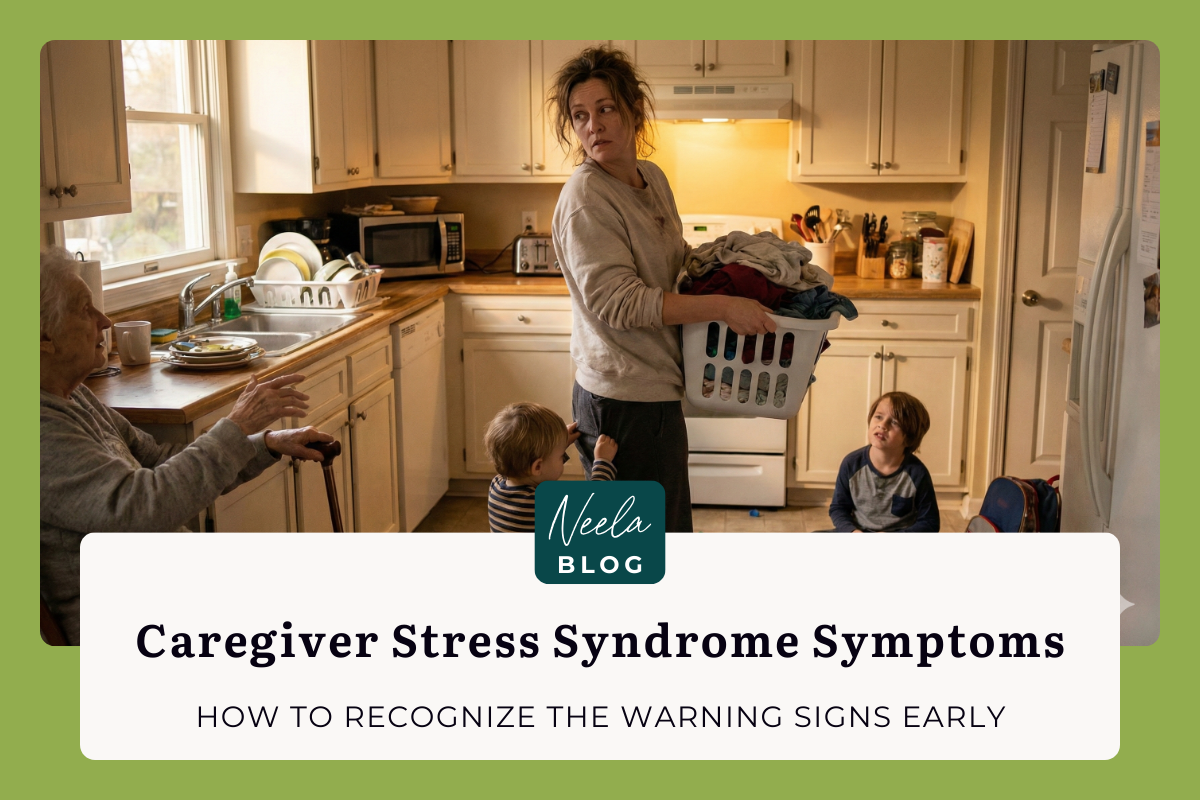
Caregiver stress syndrome describes the emotional, physical, and mental exhaustion that builds up over months or years of caring for a family member, often without enough support. It affects many caregivers who shoulder responsibilities like medication management, medical appointments coordination, daily activities assistance, and emotional support, all while balancing their own work, household duties, and personal commitments.
This is not an official medical diagnosis listed in manuals like the DSM-5. However, it is a widely recognized term that healthcare providers, researchers, and organizations like the Mayo Clinic and Cleveland Clinic use to describe a cluster of stress-related symptoms that primary caregivers commonly experience. Caregivers report experiencing these symptoms at significantly higher rates than non-caregivers, according to recent studies.
Typical scenarios include:
The symptoms of caregiver stress resemble chronic stress, anxiety, depression, and sometimes PTSD. What makes caregiver stress syndrome distinct is that these symptoms arise specifically from ongoing caregiving demands and the weight of responsibility for another person’s well being.
Caregiver stress syndrome exists on a spectrum. It can start as manageable stress, progress to caregiver burnout when exhaustion becomes overwhelming, and eventually develop into compassion fatigue, a state where caregivers experience emotional detachment or empathy loss toward the person they care for.
Recognizing the symptoms of caregiver stress syndrome allows you to compare what you are feeling right now against documented patterns. Symptoms cluster into several categories, and most caregivers experience a combination rather than a single type.
Emotional symptoms often appear first and can intensify over time:
Research indicates that women caregivers show higher rates of moderate-to-severe anxiety and depression, with symptoms like restlessness, intrusive fears, and feelings of impending doom.
Mental exhaustion affects thinking and memory:
Chronic stress takes a direct toll on physical health:
Stressed caregivers exhibit weakened immune responses. Studies show they catch colds and flu more readily than non-caregivers and report more sick days overall.
Changes in behavior often signal that caregiver stress has moved beyond normal levels:
Caregiving responsibilities strain relationships:
Severity and combination of symptoms vary between individuals. Any sudden, intense change, like panic attacks or total emotional detachment, is a red flag that requires attention.
Early warning signs of caregiver stress often appear in the first three to six months of intensive caregiving, before full burnout sets in. Recognizing these signs early gives you the chance to adjust your caregiving plan before reaching a crisis. For the quick version, see our short guide to the three signs of caregiver stress.
Sleep disturbances are among the earliest indicators of too much stress:
When stress affects your ability to manage tasks, pay attention:
These early signs are signals to adjust your approach, not evidence of personal failure. Bringing these concerns to a healthcare provider or mental health professional early can prevent progression to more serious burnout.
Caregiver stress syndrome rarely has a single cause. It develops from the combination of emotional strain, logistical complexity, and lack of support over time.
Certain caregiving contexts carry higher stress loads:
|
Situation |
Why It Increases Risk |
|---|---|
|
Caring for someone with dementia who wakes at night |
Sleep deprivation compounds physical stress |
|
Managing complex medication schedules |
Cognitive load and fear of errors |
|
Handling repeated hospitalizations |
Emotional toll of crisis cycles |
|
Providing 24/7 supervision |
No time for self care or rest |
|
Long-distance caregiving |
Coordination stress from calls, portals, and emails |
Individual characteristics can increase vulnerability:
Maintaining personal well being is crucial for caregivers to avoid long-term negative effects and to ensure they can sustainably manage their responsibilities.
The healthcare system itself creates stress:
Digital tools that centralize appointments, records, and reminders can reduce these coordination burdens. Platforms like Neela Cares help family caregivers keep medical information organized in one secure location, lowering the mental load that contributes to chronic stress.
Managing caregiver stress requires practical steps that fit within your limited time and energy. These strategies can help you manage stress and reduce stress this week without requiring major life changes.
These small self-care actions are essential for maintaining personal well being during periods of high caregiver stress.
Simple practices can interrupt the stress cycle:
Boundaries protect your own needs without abandoning your responsibilities:
Many caregivers find asking for help difficult. Specific requests are easier for others to fulfill:
Tools like Neela Cares can help manage caregiver stress by reducing what you need to track mentally:
Caregiver burnout occurs when stress has accumulated into deep physical exhaustion, hopelessness, or emotional detachment from caregiving responsibilities. It represents a point where the caregiver can no longer function effectively without intervention.
Compassion fatigue involves a specific erosion of empathy:
Certain symptoms signal a mental health crisis:
If you experience these symptoms, take action immediately:
In the U.S., call or text 988 (Suicide & Crisis Lifeline) for support. In an emergency, call 911.
Reaching out is a safety step, not a personal weakness. Share these symptoms with a healthcare provider as soon as possible. Both you and your loved one benefit when you get the help you need.
Managing caregiver stress syndrome often requires more than willpower. Professional and community support can change your trajectory and prevent burnout from becoming permanent.
|
Professional |
How They Help |
|---|---|
|
Primary care doctor |
Screens for anxiety, depression, insomnia; treats physical symptoms |
|
Mental health professional |
Provides coping skills, processes guilt and grief |
|
Social worker |
Navigates benefits, connects to community resources |
|
Care manager |
Coordinates among specialists and facilities |
Several types of caregiving services can provide relief:
Contact your local agencies on aging or your human resources office to learn about the Family and Medical Leave Act and other benefits that may apply to your situation.
To find caregiving services and caregiving resources in your area:
Early involvement of support services can reduce emergency room visits and prevent last-minute crises when you finally become too exhausted to continue.
When you attend your loved one’s medical appointments, bring notes about your own symptoms as well. Your own health matters. Providers can screen and treat the anxiety, depression, or physical stress symptoms that caregivers frequently develop.
Tools like Neela Cares complement professional support by centralizing medical records, generating visit summaries to share with clinicians, and coordinating tasks across family members. This makes it easier to seek professional help without losing track of your loved one’s care.
Technology can directly address caregiver stress syndrome symptoms related to overload and disorganization. Neela Cares offers a practical way to reduce the mental burden of coordinating care.
Signing up for 7 day free trial at Neela Cares is one tangible step you can take right now to feel more supported and less overwhelmed. Caregiving should be a privilege, not a burden, and having the right tools makes that possible.
Caregiver stress syndrome is not a formal diagnosis in medical manuals like the DSM-5. However, the symptoms it describes, including anxiety, depression, insomnia, and adjustment disorders, are very real and diagnosable conditions. If symptoms like persistent low mood, panic, or sleep disruption continue for two weeks or more, schedule an appointment with a primary care doctor or mental health professional. Many clinicians use the term informally to acknowledge the specific context and pressures of family caregiving.
Normal stress tends to be temporary and linked to a specific event that resolves. Caregiver stress syndrome is chronic and tied to ongoing, open-ended responsibilities that may continue for years. In caregiver stress syndrome, the emotional and physical exhaustion often does not fully resolve even after a good day because the caregiver remains on alert for the next crisis. If stress affects your health, relationships, or daily functioning for more than a month, it has likely moved beyond everyday stress and deserves targeted support.
Symptoms may briefly ease during calmer periods, but without changes in support, boundaries, or resources, the underlying stress usually returns. Proactive steps, such as sharing tasks with family members, using organizational tools like Neela Cares, seeking respite care, and talking with a therapist, are typically needed for lasting improvement. Waiting until “things settle down” often leads to worsening exhaustion, since many chronic conditions progress over time rather than quickly resolving.
Caregiver stress syndrome can affect anyone in a long-term caregiving role. This includes parents of children with disabilities, spouses of partners with chronic illness, and adults supporting siblings with serious mental health conditions. The underlying pattern remains similar across ages: high responsibility, emotional attachment, and limited time off or backup support. All caregivers, regardless of the care recipient’s age, should monitor their own symptoms and seek help early when negative feelings persist.
Use “I” statements to express your experience without assigning blame. For example, “I’m feeling overwhelmed and I’m worried I can’t keep this pace” focuses on your feelings rather than accusing others of not helping. Prepare a short, specific list of tasks that others could realistically take on—like handling pharmacy pickups, managing insurance paperwork, or visiting on a set evening each week. Using a shared tool like Neela Cares can help you show the scope of work involved and invite family members into clear, manageable roles, improving your support system without creating conflict.
Complete the form to receive notifications when new blogs are posted. You will only receive an email once a month!
Learn how respite care helps family caregivers take a break without compromising care. Find trusted programs and get help within 30 days.
Learn five essential strategies to reduce caregiving burden, protect your wellbeing, and provide sustainable care for your loved ones. Discover...
Learn about the RAISE Family Caregivers Act, a federal law designed to support and recognize unpaid family caregivers through coordinated national...