1 min read
Respite for Caregivers: How to Take a Break Without Compromising Care
Answering Your Biggest Question Fast: How Do I Get a Break? Respite care provides temporary relief for family caregivers while ensuring their loved...
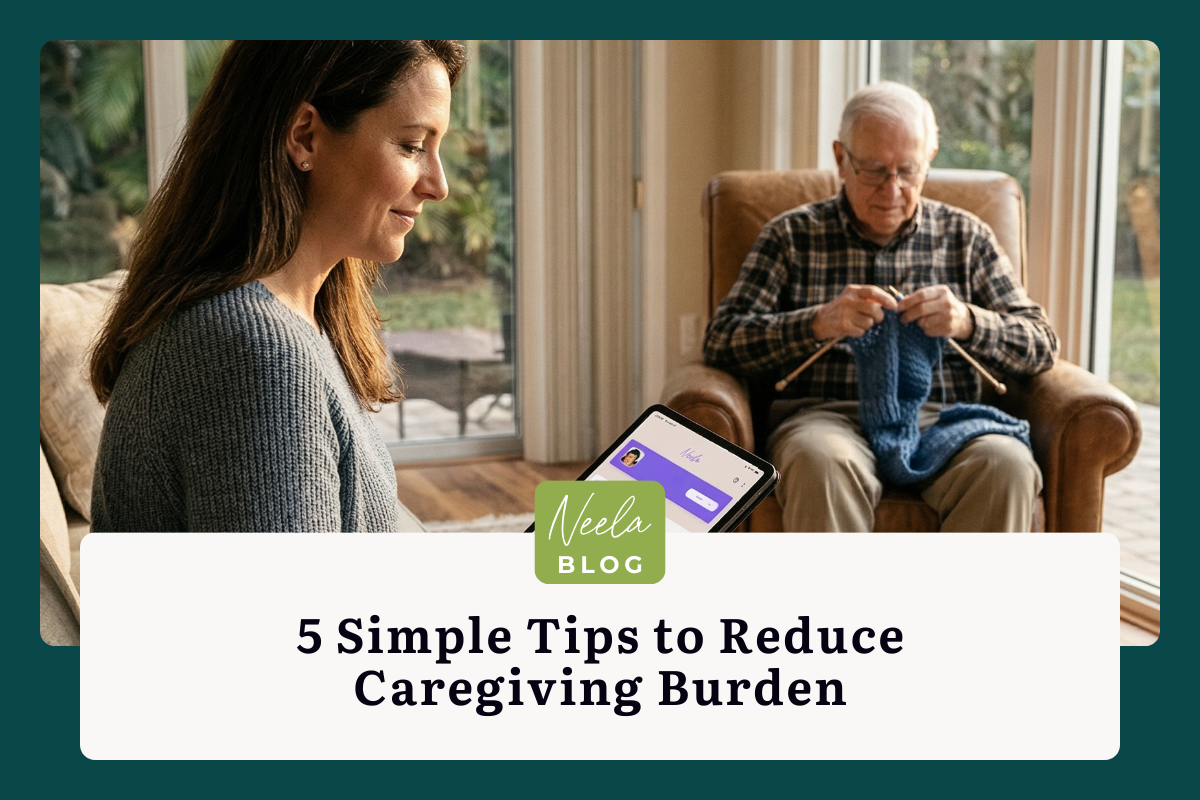
The moment you realize you've forgotten your own doctor's appointment for the third time this year, something shifts. You've been so focused on medication schedules, mobility assistance, and emotional support for your loved one that your own health has become an afterthought. This is the quiet reality for over 53 million Americans providing unpaid care to family members, and it's exactly why understanding caregiving burden reduction tips isn't just helpful: it's essential for your survival in this role.
Caregiving is one of the most meaningful things a person can do. It's also one of the most depleting. The physical demands, emotional weight, and relentless coordination can erode even the most resilient person over time. The caregivers who last aren't the ones who push hardest. They're the ones who build sustainable systems and protect their own capacity with the same dedication they bring to their loved one's care.
These five strategies aren't about doing less for the person you care for. They're about doing this work in a way that doesn't destroy you in the process.
Burnout doesn't announce itself with a dramatic collapse. It creeps in gradually, disguising itself as normal tiredness or temporary stress until you're operating at a fraction of your capacity without realizing how far you've fallen.
Physical symptoms often appear first: persistent fatigue that sleep doesn't fix, frequent headaches, unexplained weight changes, or getting sick more often than usual. Your immune system is literally telling you something is wrong. Caregivers often dismiss these signals for months, attributing them to aging or stress, when they're actually early warnings of serious depletion.
Emotional signs can be subtler but equally important. Increased irritability with your care recipient, feeling resentful about caregiving tasks you once handled willingly, withdrawing from friends, or experiencing a persistent sense of hopelessness all indicate burnout. Some caregivers describe feeling emotionally numb, going through the motions without any sense of connection or purpose.
Catching burnout early changes everything. When you're slightly depleted, a weekend off can restore you. When you're severely burned out, recovery might take months and could require professional support. The caregivers who track their own wellbeing alongside their loved one's health catch these patterns faster. Tools like Neela can help you maintain notes on your own energy levels and warning signs, creating a continuous view that reveals gradual changes you might otherwise miss.
Your first step: write down three physical and three emotional symptoms you'd recognize as your personal warning signs. Keep this list visible.
Self-care isn't a luxury or something you earn after everything else is handled. It's essential infrastructure that makes sustained caregiving possible. Without it, you're drawing from an account that's already overdrawn.
Boundaries feel impossible when someone depends on you, but they're non-negotiable for long-term caregiving. This means designating specific hours as protected time, even if it's just 30 minutes daily where you're genuinely off-duty. It means learning to say "I can help with that tomorrow" instead of dropping everything immediately.
Practical boundaries might include not answering non-emergency calls during your morning coffee, requiring family members to text before visiting, or establishing that Sundays are your rest days with backup coverage arranged. These aren't selfish acts: they're strategic decisions that preserve your ability to provide quality care over years rather than burning out in months.
A common pattern: caregivers skip their own meals while meticulously preparing nutritious food for their loved ones. They cancel their own medical appointments while never missing one for the person they care for. This imbalance is unsustainable.
Schedule your health appointments with the same priority as theirs. Meal prep for yourself on the same day you prepare their food. Keep easy, nutritious snacks accessible so you're not running on coffee and willpower. Your physical health directly impacts your caregiving capacity: protecting it protects them too.
Solo caregiving is a recipe for burnout. Even if you're the primary caregiver, building a network of support transforms this from an impossible individual burden into a sustainable team effort.
Most people want to help but don't know how. Vague offers like "let me know if you need anything" go unused because you're too exhausted to think of specific requests. Flip this dynamic by maintaining a running list of concrete tasks others can handle: picking up prescriptions, sitting with your loved one for two hours on Tuesday, researching Medicare coverage options.
When someone offers help, pull from your list immediately. "Actually, yes: could you handle grocery shopping this week? Here's the list." Specific requests get results. Vague politeness gets nothing.
There's something powerful about talking to people who genuinely understand what 3 AM medication alarms and the grief of watching a parent decline actually feel like. Local hospitals, senior centers, and organizations like the Alzheimer's Association run caregiver support groups, both in-person and virtual.
These groups provide emotional validation, practical tips from people navigating similar situations, and sometimes lasting friendships with people who get it. Many caregivers report that their support group becomes their most valuable resource: not for solving problems, but for feeling less alone in facing them.
Respite care isn't an emergency escape hatch for when you're completely depleted. It's a regular maintenance strategy that should be built into your caregiving plan from the start.
Professional in-home care ranges from a few hours weekly to full-time support. Costs vary significantly by region, typically running $20-35 per hour for non-medical assistance. Many families start with just four to eight hours weekly, enough to give you consistent time for appointments, errands, or simply rest.
Finding quality care requires preparation. Document your loved one's needs thoroughly: not just medical requirements and mobility limitations, but also their favorite topics of conversation, what calms them when anxious, and specific food preferences. Platforms like Neela help centralize these care documents and notes, making handoffs to respite providers smoother and ensuring consistent care when you're not present.
Adult day programs offer structured activities, social interaction, and supervision for several hours daily, typically costing $75-150 per day. For caregivers who work or need predictable blocks of time, these programs provide reliable coverage while offering your loved one engagement and socialization.
The VA provides adult day health care for eligible veterans. Medicaid waiver programs cover respite services in many states. Your local Area Agency on Aging can identify programs and funding sources specific to your situation. Don't assume you can't afford respite: investigate what's actually available first.
Technology won't replace human care, but it can eliminate the mental overhead that drains caregivers: the constant tracking, remembering, and coordinating that consumes energy even when you're not actively providing care.
Medication errors are a leading cause of caregiver stress and care recipient hospitalizations. Automated pill dispensers, medication tracking apps, and pharmacy synchronization services reduce this cognitive burden significantly. Some apps send alerts to multiple family members, distributing the responsibility of monitoring adherence.
The goal isn't just preventing mistakes: it's freeing your mental bandwidth from constant vigilance so you can be present during the time you spend together rather than running through mental checklists.
When multiple family members share caregiving responsibilities, coordination becomes its own exhausting task. Shared digital calendars eliminate the endless text chains and confusion about who's handling what. Neela takes this further by connecting appointments, notes, and documents into one continuous view of care, turning scattered information into organized guidance that any family member can access.
This coordination infrastructure pays dividends during transitions: when respite providers arrive, when you're traveling, or when another family member takes over temporarily. Clear documentation means consistent care regardless of who's present.
Caregiving often lasts years, sometimes decades. Approaching it with sprint-level intensity guarantees burnout. The caregivers who maintain their health, relationships, and sense of self are those who pace themselves deliberately from the start.
This means accepting that good enough is often sufficient. It means recognizing that your loved one benefits more from a caregiver who's present and engaged than from one who's exhausted and resentful but technically doing more tasks. It means treating your own wellbeing as a caregiving priority, not a competing interest.
Reducing caregiving burden isn't about caring less. It's about building systems, accepting help, and protecting your capacity so you can show up fully for the person who needs you: not just today, but for all the days ahead. Start with one strategy this week. Small, consistent changes compound into sustainable caregiving that serves everyone, including you.
Complete the form to receive notifications when new blogs are posted. You will only receive an email once a month!
1 min read
Answering Your Biggest Question Fast: How Do I Get a Break? Respite care provides temporary relief for family caregivers while ensuring their loved...
1 min read
Key Takeaways Caregiver stress syndrome is the cumulative emotional, physical, and mental exhaustion that develops from months or years of...
1 min read
You're standing in a hospital parking lot, phone in one hand, coffee going cold in the other, trying to remember whether Mom's cardiologist said to...