What is Caregiver Burnout? Signs, Stages, and Recovery Strategies
Discover what caregiver burnout is, its signs and stages, and effective strategies for prevention and recovery.
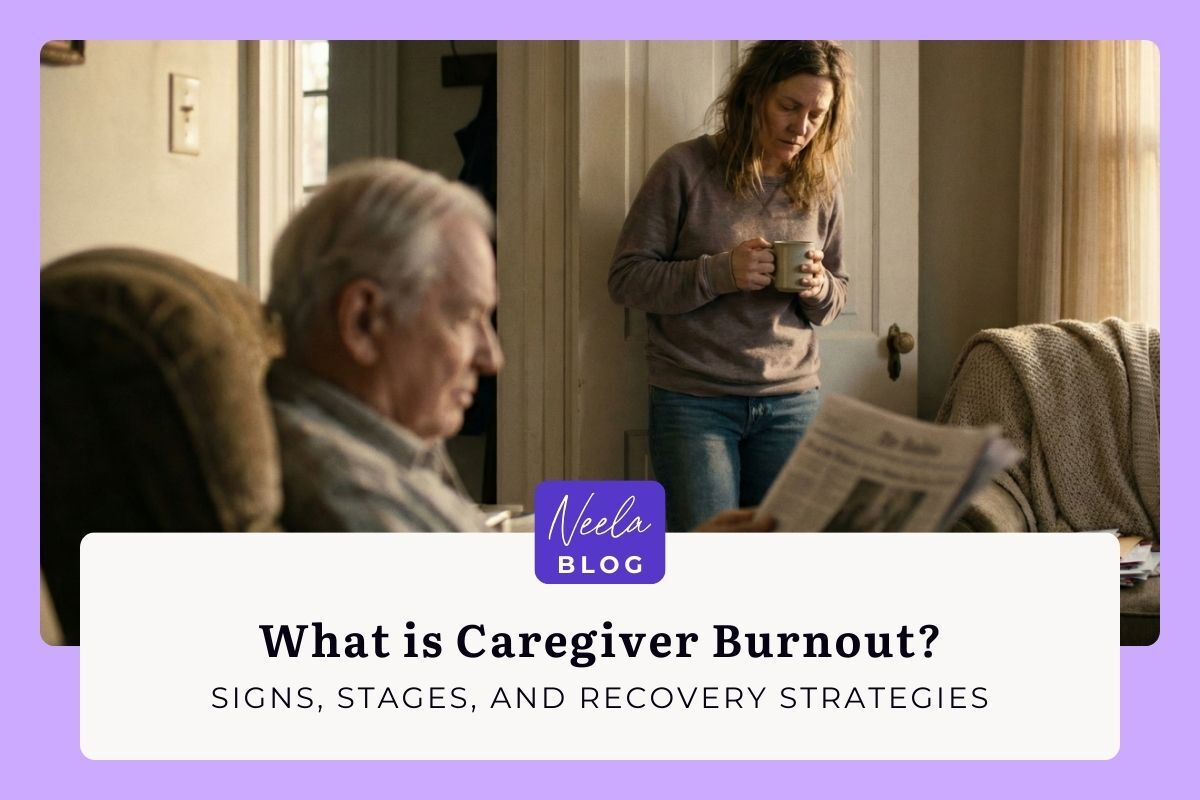
Caregiver burnout is emotional, physical, and mental exhaustion that builds over time when caregiving demands consistently exceed a person’s capacity and support.
It often shows up as:
If you’re the primary caregiver, burnout is not a personal failure. It’s usually a sign that the care plan is relying too heavily on one person.
Families often normalize burnout until something breaks. These are common patterns worth noticing early.
Burnout changes the family’s “emotional weather.” Even if nobody says it out loud, everyone adapts to the caregiver’s stress.
When one person is chronically overwhelmed:
Burnout can strain a marriage or partnership through:
Kids often respond in two ways: internalizing or acting out.
They may:
Even when kids seem fine, they may be quietly tracking the household tension.
Burnout can affect the person receiving care too. They may:
This can create a loop where stress increases needs, and increased needs increase stress.
Burnout often intensifies existing family dynamics, especially around fairness and control.
Common friction points include:
A practical fix is moving from vague expectations to visible responsibilities. When tasks, updates, and decisions are documented, families argue less about “who did what” and more about “what needs doing next.”
Burnout can destabilize the practical side of life fast.
Burnout can lead to:
When a caregiver is overloaded, it’s common to see:
This is why systems matter. When key information lives in one exhausted person’s memory, the family becomes fragile.
Caregiving requires constant attention to details. Burnout increases the risk of preventable issues like:
This does not mean burned-out caregivers don’t care. It means the workload has exceeded what one human can safely sustain without backup.
If you’re the primary caregiver, aim for “relief” before “resilience.” Relief comes from redistributing tasks and reducing mental load.
Keep it simple and specific:
The fastest way to reduce stress is making care shareable.
Use a central place for:
Schedule breaks like appointments and treat them as non-negotiable. Even small consistent relief (a few hours weekly) helps.
Examples:
Boundaries are not punishments. They are safety rails for the whole family.
Options include respite care, adult day programs, home health aides, caregiver support groups, social workers, and family therapy.
Neela is designed to make caregiving more organized, more shareable, and less dependent on one person’s bandwidth.
The goal is not “perfect care.” It’s sustainable care that protects the caregiver and the family.
Some burnout signs require prompt support, not just better planning.
If you or someone you love is in immediate danger or crisis in the U.S., call or text 988 (Suicide & Crisis Lifeline) or go to the nearest emergency department.
Lead with what you’ve observed and what you feel, not what they’re doing wrong. Try:
“I’ve noticed you seem exhausted and I’m worried about you. Can we figure out what to take off your plate this week?”
Then offer one concrete task you can own.
Make the workload visible and specific. List tasks and time spent, then ask for ownership of defined responsibilities (med refills, bills, appointment scheduling, weekly check-in calls). If conflict persists, a neutral third party like a social worker, care manager, or therapist can help.
Often, yes, especially when responsibilities are redistributed and the caregiver gets real recovery time and support. Relationships may need repair after a hard stretch, but earlier intervention usually leads to faster improvement.
Assign remote-friendly ownership: managing the shared calendar, handling insurance calls, ordering supplies, tracking refills, researching services, or leading a weekly family check-in. A shared system makes remote help actually useful.
Start small and frame help as protecting independence, not taking it away. A clinician can sometimes reinforce the message. Present services as a trial and use a clear plan so it feels structured, not like the family is “giving up.”
Complete the form to receive notifications when new blogs are posted. You will only receive an email once a month!
Discover what caregiver burnout is, its signs and stages, and effective strategies for prevention and recovery.
Learn five essential strategies to reduce caregiving burden, protect your wellbeing, and provide sustainable care for your loved ones. Discover...
Learn how respite care helps family caregivers take a break without compromising care. Find trusted programs and get help within 30 days.