Can I Claim My Elderly Parent as a Dependent? (Caregiver Tax Breaks)
Can you claim your elderly parent as a dependent? A caregiver's plain-language guide to the IRS tests, the Credit for Other Dependents, and medical...
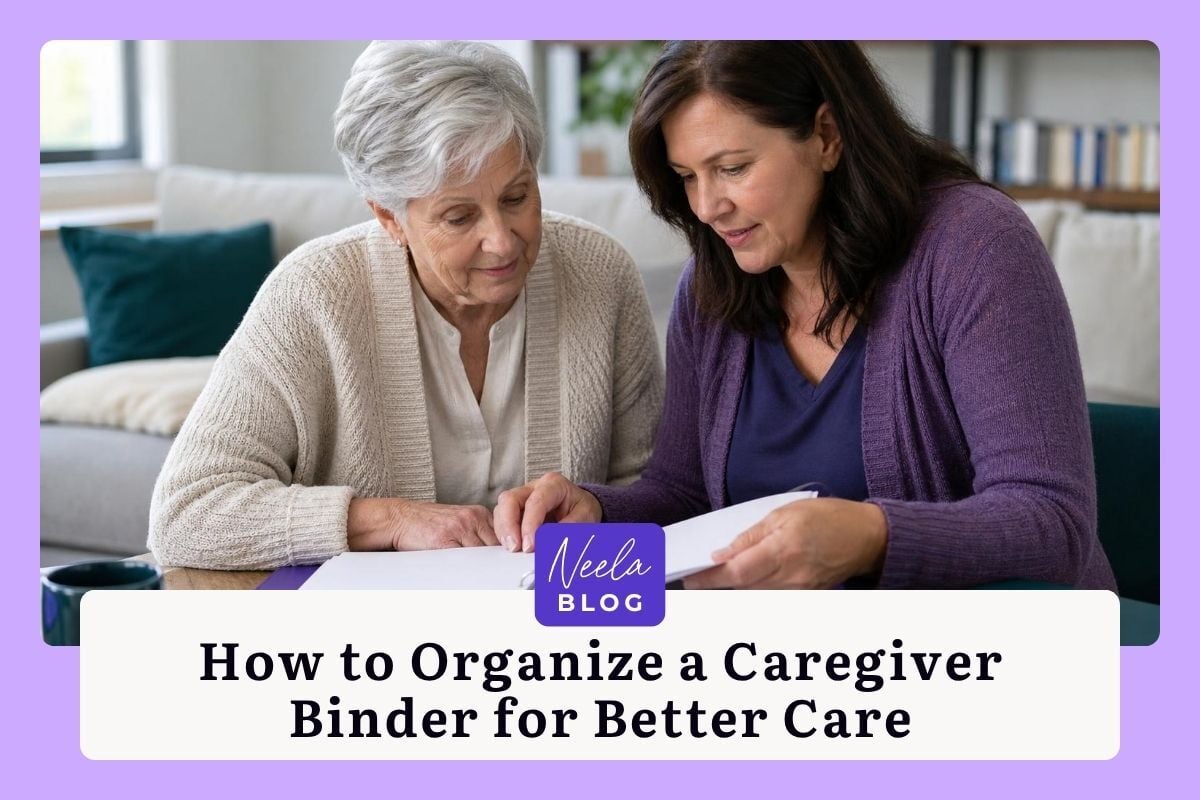
Roughly 63 million Americans now provide ongoing care to a loved one, and each of those caregivers juggles a staggering amount of information: medication schedules, insurance cards, provider contacts, appointment notes, and legal documents, often stored across sticky notes, phone screenshots, and kitchen counters. If you've ever scrambled to find a prescription list before a doctor's visit or tried to relay care details to a sibling over the phone, you already know the problem. A well-organized caregiver binder can turn that scattered mess into a single, reliable reference you (and everyone in your care network) can trust. The good news? You don't need to be naturally organized to build one. You just need a starting point, and that's exactly what this guide gives you.
The biggest source of stress for many family caregivers is informational stress: the mental weight of tracking dozens of details across multiple providers, pharmacies, and family members. A binder designed for caregiving is one of the simplest ways to lighten that load because it gives every piece of critical information a permanent home.
Think of it less like a filing project and more like building a control center. When your parent's cardiologist asks what medications the neurologist prescribed, you have the answer in seconds. When your brother calls from out of state asking about Mom's next appointment, you can point him to the same document you're looking at. That kind of clarity removes friction from conversations and decisions alike.
Starting proactively, before a crisis, is the key distinction. Family caregivers who create an organized binder early spend far less time scrambling during emergencies and hospital visits. Even a partially complete binder beats a fully empty one. Your first step: grab a three-ring binder with tabbed dividers and commit to filling just one section this week.
A binder only works if you can find what you need quickly. That means choosing clear categories and sticking with them. Most family caregivers settle on five to eight tabs, though your situation might call for more or fewer. Here are the categories that tend to matter most:
You don't need to fill every tab on day one. Start with whatever feels most urgent. For many families, that's the medication list and provider contacts, since those come up at nearly every appointment.
A master medication list is one of the highest-value pages in your entire binder. Include the drug name, dosage, prescribing doctor, purpose, and refill date for each medication. Update it every time something changes, even if that means crossing out a line and writing in pen. Perfection isn't the goal; accuracy is.
Your provider directory should go right behind the medication list. Include every specialist, therapist, pharmacy, and home health contact involved in your loved one's care. Add fax numbers where you have them, because many offices still rely on fax for records transfers.
A caregiver daily log sheet tracks what happened and when: meals, medications given, mood changes, vitals, bathroom visits, and any incidents. This kind of documentation is invaluable during doctor's appointments because it replaces vague recollections with concrete data.
If you're unsure what format to use, look for a caregiver documentation sample online. Many templates include columns for time, activity, notes, and the caregiver's initials, which is especially helpful when multiple family members share caregiving shifts. Even a simple notebook page with date, time, and a brief note is a strong starting point.
You don't have to design your own forms from scratch. Dozens of free printable caregiver forms in PDF format are available online, covering everything from medication trackers to emergency information sheets. Printing a few of these and sliding them into sheet protectors gives your binder an instant structure you can build on.
The best forms are the ones you'll actually use. If a template feels too detailed or clinical, simplify it. Cross out columns you don't need. The goal is a system that fits your daily life, not one that adds more work. Many caregivers find that a straightforward binder template with clean categories is far more useful than an elaborate one that never gets filled in.
When more than one person provides care, a standardized daily log sheet prevents gaps. Everyone records the same types of information in the same place, which means no one has to guess what happened during someone else's shift.
Pick one format and print a stack. Place the blank sheets at the front of the daily log tab so whoever is on duty can grab one easily. At the end of each week, move completed sheets to the back of the tab in chronological order. This simple habit creates a running record that doctors, specialists, and even emergency responders can reference quickly.
A binder becomes even more valuable when care responsibilities are split across multiple people. Siblings living in different cities, a spouse handling weekday care while an adult child covers weekends: these arrangements only work when everyone has access to the same information.
One practical approach is keeping the physical binder in your loved one's home, where it's accessible to whoever is present. Pair it with a shared digital copy (even photos of each page in a shared album) so remote family members can stay current. This removes the "I didn't know about that" problem that creates tension in so many families.
Family caregivers spend an average of $7,242 a year out of pocket, according to AARP. When you're investing that much, having a shared record of expenses, receipts, and insurance claims in one binder tab helps everyone see where the money goes and plan accordingly.
A physical binder is a fantastic foundation, but paper has limits. Pages get lost, updates require reprinting, and remote family members can't flip through a binder that's sitting on someone's kitchen counter 500 miles away. That's where pairing your binder with a digital tool like Neela makes the system stronger.
Neela's Vault provides secure, HIPAA-compliant document storage where you can upload insurance cards, legal documents, lab results, and anything else from your physical binder. Every member of your care network can access the same files from their phone, which means the sibling in another state has the same information as the one down the street.
The transition doesn't have to happen all at once. Start by photographing the most critical pages in your binder (medication list, emergency contacts, insurance cards) and uploading them to Vault. That alone gives you a digital backup and makes those documents available to your whole care network instantly.
Over time, you can add lab results as they come in, scan legal documents, and store provider notes. The physical binder stays useful for in-person appointments and emergencies, while Vault keeps everything backed up and shareable. A hybrid system like this gives you the best of both approaches.
One of the hardest parts of caregiving is remembering everything a doctor said during a 15-minute appointment. Neela's Scribe feature records appointment details and turns them into clear, readable summaries you can review later and share with your care network.
After each visit, you can save the Scribe summary in Vault and print a copy for your physical binder's appointment notes tab. This closes the loop between digital convenience and paper reliability. No more texting your sister a half-remembered version of what the doctor said: everyone gets the same summary.
A binder for caregiving isn't a "set it and forget it" project. Your loved one's needs will change, medications will be adjusted, and new providers will enter the picture. Building in a simple maintenance routine keeps the whole system useful instead of outdated.
Set a recurring reminder, monthly works for most families, to review each tab. Update the medication list, remove old appointment notes, and check that insurance cards and legal documents are still current. This takes 20 to 30 minutes and saves hours of confusion later. The rising costs of long-term care also make it worth reviewing financial and insurance documents regularly to catch changes in coverage or benefits.
Your binder (physical, digital, or both) is a living document. Treat it that way, and it becomes the single source of truth your entire care network relies on. The family caregivers who feel most confident aren't the ones who never make mistakes. They're the ones who know exactly where to find the information they need, when they need it.
If you're ready to pair your physical binder with a digital home for all your care information, Neela can help. She brings appointments, documents, medications, and notes into one shared view for your whole family. Visit neelacares.com to get started.
Complete the form to receive notifications when new blogs are posted. You will only receive an email once a month!

Can you claim your elderly parent as a dependent? A caregiver's plain-language guide to the IRS tests, the Credit for Other Dependents, and medical...
Family caregivers struggle with medical information apps because those apps are built for one patient or a clinician, not a family. Here is why, and...
%209.21.jpg)
Discover the best family caregiving apps for medical records in 2026 to easily organize prescriptions and lab results while reducing your daily...