How to Delegate Caregiving Tasks: A Guide for Family Caregivers
Learn how to get help with caregiving tasks through practical strategies that reduce burnout and balance your family responsibilities with...
.jpg?width=1200&height=800&name=Neela%20Blog%20Image_How%20to%20Prepare%20for%20a%20Geriatric%20Doctor%20Appointment%20(1).jpg)
A geriatric doctor appointment can feel like a high-stakes event. Your loved one may have multiple conditions, a long medication list, and questions that have been piling up for weeks. The geriatrician, meanwhile, has limited time and a waiting room full of patients: the U.S. has roughly 7,300 board-certified geriatricians for a rapidly growing older population, which means every minute counts. The good news? A little preparation turns a rushed visit into a genuinely productive conversation. Whether this is your first time preparing for a geriatric doctor appointment or your twentieth, the steps below will help you walk in organized, ask the right questions, and leave with a clear plan.
Confidence in a medical appointment doesn't come from knowing all the answers. It comes from knowing you've gathered the right information ahead of time. The geriatrician's job is to look at your loved one's health as a whole: physical function, cognitive changes, medications, nutrition, social engagement, and safety. Your job is to bring the raw material they need to do that well.
Start by writing down the top three concerns you want addressed. Maybe your parent has been unsteady on their feet, or your spouse's memory lapses are becoming more frequent. Prioritizing keeps the visit focused, especially since geriatric specialists are in short supply and appointment slots tend to be tight. If you have more than three concerns, list them all but star the ones that feel most urgent. The doctor can help you triage the rest.
One small step you can take right now: grab a notebook or open a notes app and jot down those top concerns. Even that single action shifts you from "I hope I remember everything" to "I've got this."
When more than one family member is involved in caring for your loved one, the appointment itself is only part of the picture. The real challenge is making sure everyone who needs to know something actually knows it, and that responsibilities don't fall through the cracks.
Before the appointment, have a brief conversation with the people in your care network about what you want to accomplish. This doesn't need to be a formal meeting. A quick group text or a five-minute phone call works fine. The goal is to surface concerns from everyone, not just the person attending the visit.
Your sibling two states away might have noticed something during their last video call that you haven't picked up on. A cousin who helps with weekend meals might have questions about dietary restrictions. Collecting these observations beforehand means the geriatrician gets a fuller picture of your loved one's daily life.
Decide before the appointment who will handle specific follow-up tasks. If the doctor orders bloodwork, who's driving your parent to the lab? If a new medication is prescribed, who's picking it up? Assigning roles in advance prevents the post-appointment scramble where everyone assumes someone else is handling it.
A shared view of tasks and notes helps here. Neela, for example, lets everyone in the care network see the same information in one place, so there's no confusion about who's doing what after the visit. That kind of shared accountability keeps things moving without requiring a dozen follow-up texts.
The most productive geriatric appointments happen when the caregiver arrives with organized health information. Doctors can spend their limited time on assessment and recommendations instead of piecing together a medical history from memory.
Medication management is one of the most critical pieces of preparation. Older adults in the U.S. frequently take five or more prescription medications, and interactions between drugs are a common source of problems. Build a master list that includes every medication your loved one takes: prescription drugs, over-the-counter supplements, vitamins, even herbal remedies.
For each medication, note the dosage, how often it's taken, the prescribing doctor, and what it's for. If you're not sure about a drug's purpose, that's actually a great question to bring to the geriatrician. Many caregivers find that medication adherence improves significantly when everyone understands why each pill matters.
Also bring a list of every provider your loved one sees: primary care doctor, cardiologist, physical therapist, home health aide. The geriatrician needs to understand the full picture to avoid duplicated tests or conflicting treatment plans. Having a current provider list helps with specialist referrals too.
Gather recent lab results, discharge summaries, imaging reports, and insurance cards. If your loved one was recently hospitalized or visited the ER, bring those records too. Missing information can lead to repeated tests or delayed decisions.
Keeping these documents in a secure digital location saves you from rifling through folders the morning of the appointment. Neela's Vault stores medical documents in a HIPAA-compliant space that's accessible from your phone, so you can pull up a lab result or insurance card right in the exam room. Many caregivers also keep a slim physical folder with laminated summary sheets in the car as a backup, which is a smart hybrid approach.
Your first step: spend 15 minutes this week gathering your loved one's most recent lab results and medication bottles in one spot. That alone puts you ahead of most visits.
You've done the preparation. Now it's about making the most of the actual visit. Geriatric appointments often cover a lot of ground, from cognitive screening to fall risk assessment, and details can blur together quickly.
Taking notes during a medical appointment is harder than it sounds. You're listening to the doctor, watching your loved one's reactions, and trying to remember what questions you still need to ask. Important details slip away, especially medication changes or follow-up instructions.
Neela's Scribe feature records the appointment and turns it into a clear summary afterward. Instead of scribbling notes while the doctor talks, you can stay present in the conversation and review the details later. The summary captures medication adjustments, next steps, and referrals in plain language that's easy to share with the rest of your care network.
If you prefer not to use a recording tool, designate one person as the note-taker and another as the primary speaker. Splitting those roles keeps the conversation flowing without sacrificing documentation.
Before the appointment, you might have questions you're not sure how to phrase. "Is this level of forgetfulness normal?" or "Should I be worried about this new tremor?" are valid concerns, but they can feel vague when you're sitting in front of a specialist.
Neela's Chat feature lets you ask caregiving questions in plain language and get clear, practical responses drawn from your own care information. You can use her to help frame your concerns before the visit, so you walk in with specific, focused questions rather than a general sense of worry. For example, asking Neela about common questions to raise during a primary care visit can help you build a targeted list.
Good questions to bring include: Are there any medications we can reduce or stop? What signs should prompt an ER visit versus a phone call? Are there community resources for the specific challenges we're facing? The more specific your questions, the more useful the answers.
The appointment is over, and you're sitting in the parking lot with a head full of new information. This is the moment where preparation for geriatric doctor visits either pays off or falls apart. What happens next determines whether the rest of your care network stays informed or starts operating on outdated assumptions.
Send an update to your family the same day, while details are fresh. Include what the doctor found, any changes to medications, scheduled follow-ups, and who's responsible for each next step. A structured approach to sharing specialist information reduces the chance of miscommunication and keeps everyone aligned.
If you used Scribe during the visit, sharing is simple: the summary is already written and ready to go. No need to retype your notes or try to remember exact dosage changes from memory. Everyone in your care network sees the same information, which eliminates the telephone-game effect that happens when updates pass through multiple conversations.
One practical tip: set a recurring reminder on your phone to send post-appointment updates within two hours of leaving the office. Making it a habit removes the decision fatigue of "I'll do it later."
You've already proven you're a capable, proactive caregiver just by reading this far. Preparing for a geriatric appointment is really about reducing the informational stress that comes with managing complex care. When you show up organized, with your concerns prioritized, your documents accessible, and your care network aligned, you transform a stressful visit into a productive partnership with your loved one's doctor.
If you're looking for a single place to keep medications, documents, appointment summaries, and family communication together, Neela was built for exactly this. She helps family caregivers turn scattered information into clarity, one appointment at a time. Download Neela at neelacares.com and see how she fits into your next visit.
Complete the form to receive notifications when new blogs are posted. You will only receive an email once a month!
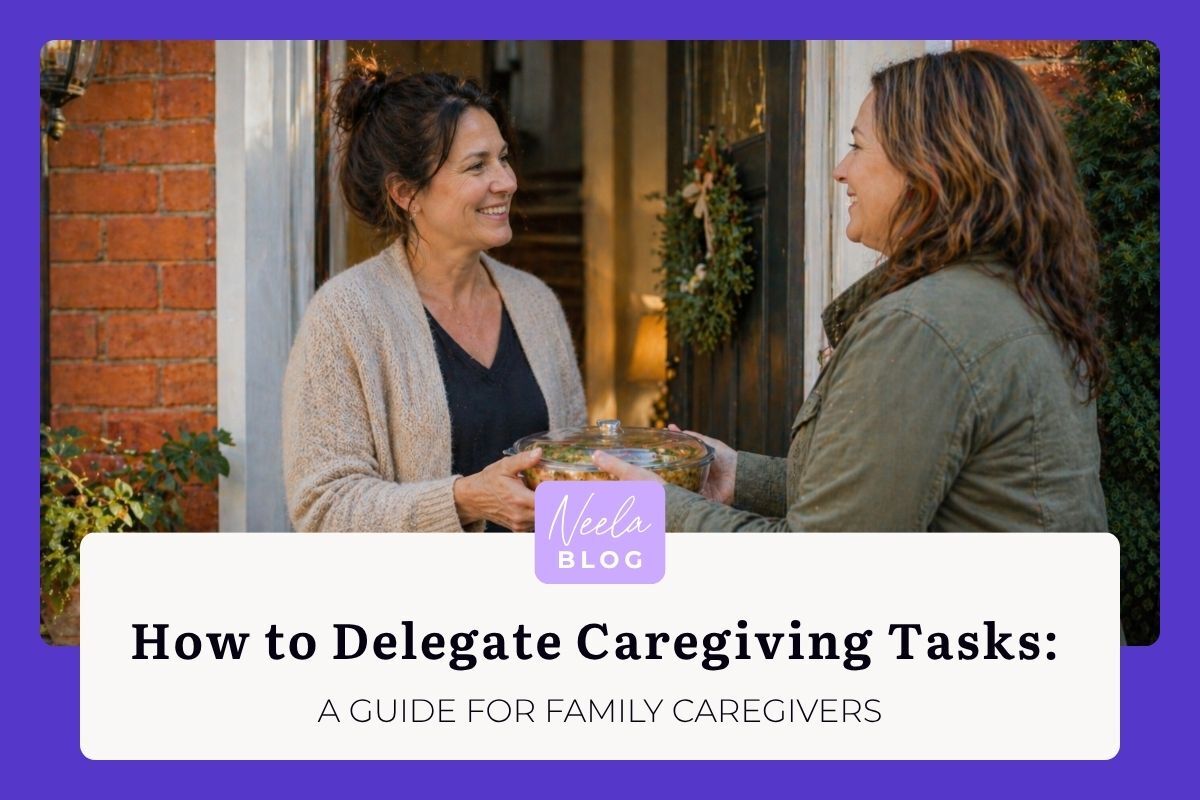
Learn how to get help with caregiving tasks through practical strategies that reduce burnout and balance your family responsibilities with...

When care information lives in five places and three people's heads, things slip. Here's how to build one shared view your whole family can work...

Learn what a geriatric care manager is and if your family needs one to coordinate medical care, manage paperwork, and reduce the stress of caregiving.