National Family Caregiver Support Program (NFCSP) Guide
Discover support for family caregivers through the National Family Caregiver Support Program, including services, eligibility, and how to access...
5 min read
Alexis Villazon : Published Updated
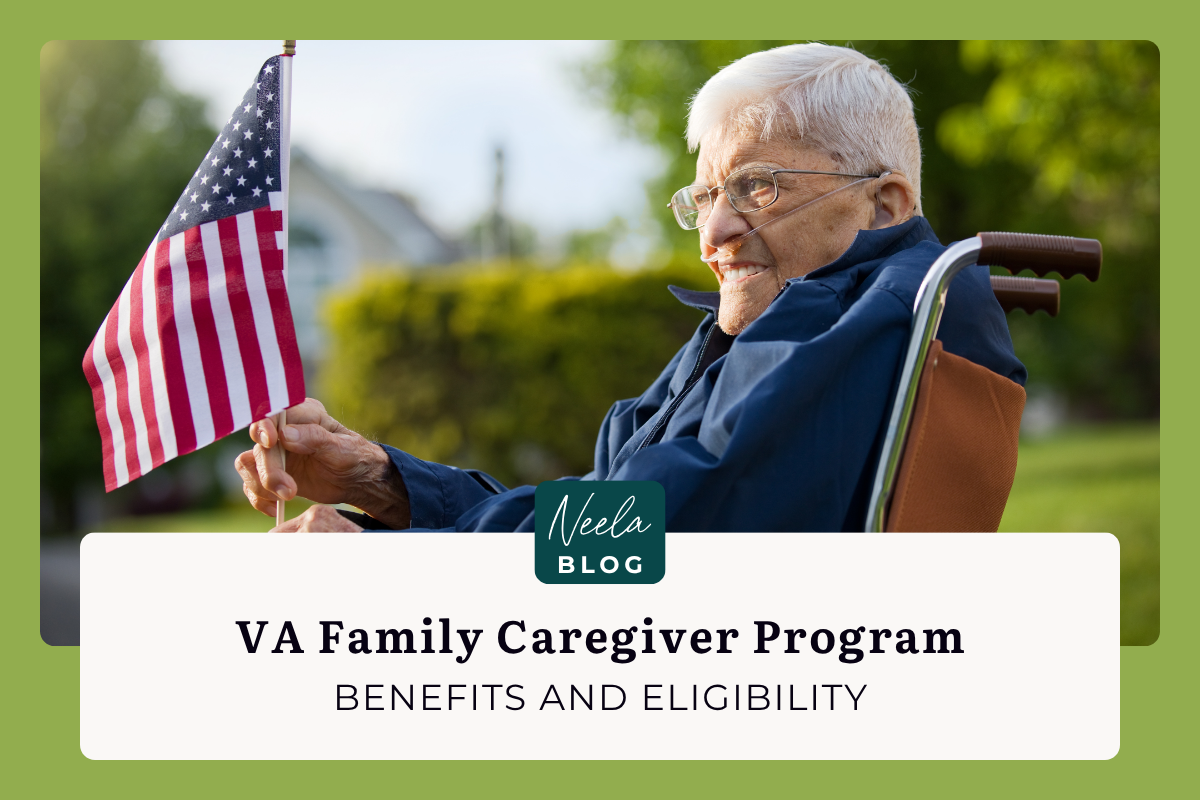
Caring for a veteran with serious injuries or disabilities is one of the most demanding roles a family member can take on. The physical exhaustion, emotional weight, and financial strain can quietly erode even the most dedicated caregiver's well-being. The VA family caregiver program exists specifically to address this reality, providing concrete support to those who step up when their loved ones need them most.
What many families don't realize is that this program offers far more than a monthly check. It's a comprehensive support system that includes healthcare coverage, mental health resources, respite care, and training. The catch? Eligibility requirements are specific, the application process requires patience, and understanding how benefits are calculated takes some effort.
It happens all the time: families struggle through years of caregiving without knowing these benefits exist, or they assume they won't qualify based on outdated information. The program expanded significantly in October 2020, opening doors for veterans whose service predates the post-9/11 era. If you dismissed this program years ago, it's worth a fresh look.
The PCAFC recognizes something that should be obvious but often gets overlooked: when a veteran needs significant daily care, the person providing that care needs support too. The program isn't charity. It's an acknowledgment that family caregivers save the VA system billions of dollars annually while providing care that often surpasses what institutional settings can offer.
The mission centers on keeping veterans safely at home with their families rather than in residential facilities. This means equipping caregivers with training, financial resources, and access to services that make sustainable long-term care possible.
The program designates one primary family caregiver who receives the full range of benefits, including the monthly stipend. However, up to two secondary caregivers can also be approved. Secondary caregivers receive training and mental health counseling but don't receive stipend payments.
This structure matters for families where care responsibilities are shared. If the primary caregiver needs to travel or becomes ill, having trained secondary caregivers ensures continuity. The designation also creates a formal backup plan, which reduces stress for everyone involved.
Not every veteran qualifies for the caregiver program, and understanding the specific requirements upfront saves families significant time and frustration. The criteria focus on the severity of the veteran's condition and its connection to military service.
The veteran must have a serious injury, whether physical, psychological, or both, that was incurred or aggravated during active duty service on or after September 11, 2001. For veterans who served before this date, eligibility expanded in October 2022 to include those with service-connected disabilities from any era.
A key threshold: the veteran must need at least six months of continuous personal care services. This isn't about occasional help. The program targets situations where the veteran cannot manage daily life safely without consistent assistance. The VA evaluates each case individually, so borderline situations often require detailed documentation.
Eligibility hinges on the veteran's inability to perform activities of daily living independently. These include bathing, dressing, eating, toileting, and transferring between positions. The veteran must require assistance with at least one ADL, or need supervision or protection due to neurological or psychological impairment.
Supervision needs often get underestimated during applications. Veterans with traumatic brain injuries or severe PTSD may physically perform daily tasks but require constant monitoring to prevent harm to themselves or others. This supervision qualifies under the program, and documenting these needs thoroughly strengthens applications.
The caregiver side of the equation has its own requirements. The VA wants assurance that approved caregivers can actually provide the level of care needed.
Caregivers must be at least 18 years old and either a family member or someone who lives with the veteran full-time. The definition of family is broad: spouses, parents, children, siblings, step-relatives, and extended family all qualify. Close friends who share a household can also apply.
One restriction trips up some families: the caregiver cannot be a member of the veteran's healthcare team. If you're already employed as a home health aide for your family member through another program, you'll need to choose one or the other.
The application process involves submitting VA Form 10-10CG, either online, by mail, or in person. After submission, both the veteran and proposed caregiver undergo clinical assessments. These evaluations determine the veteran's care needs and the caregiver's ability to meet them.
Once approved, caregivers must complete mandatory training covering topics like medication management, safety procedures, and recognizing signs of declining health. The training isn't optional, and it's genuinely useful. Many caregivers report learning techniques they wish they'd known years earlier.
First step: gather the veteran's medical records documenting their condition before starting the application. Having this documentation ready accelerates the process significantly. Tools like Neela can help organize these records in one accessible location, making the application process less overwhelming.
The benefits package addresses the financial, physical, and emotional toll of caregiving. Understanding each component helps families maximize what they receive.
Monthly stipends vary based on the veteran's care needs, categorized into three tiers. The calculation uses the Bureau of Labor Statistics' hourly wage for home health aides in your geographic area, multiplied by the hours of care required weekly. In 2024, stipends range roughly from $2,000 to over $3,000 monthly depending on location and tier level.
The tier assignment comes from the clinical assessment. Higher tiers reflect greater care needs and result in larger stipends. If the veteran's condition worsens over time, caregivers can request reassessment for potential tier advancement.
Primary caregivers who lack health insurance qualify for CHAMPVA coverage, the VA's healthcare program for dependents. This benefit alone can be worth thousands annually, covering medical, dental, and pharmacy costs.
Mental health support is built into the program. Caregivers have access to counseling services specifically designed for the unique stresses of their role. The pattern is consistent: caregivers who use these services maintain their effectiveness longer than those who try to push through alone. Treating mental health support as essential infrastructure rather than an emergency escape hatch makes sustainable caregiving possible.
Respite care provides temporary relief, allowing caregivers to take breaks without leaving the veteran without support. The program covers up to 30 days annually of substitute care. This isn't a luxury. A present and engaged caregiver serves the veteran far better than one who is technically competent but emotionally exhausted.
Using Neela to document care routines, medication schedules, and the veteran's preferences makes respite handoffs smoother. Include soft details like favorite conversation topics and calming techniques alongside medical requirements.
Beneficiary travel reimbursement covers transportation costs for approved medical appointments, reducing another financial burden on families.
Misinformation about the VA caregiver program keeps eligible families from applying. Let's address the most common misunderstandings.
Some families believe the program only serves post-9/11 veterans. This was true before October 2022, but the expansion now includes veterans from all service eras. If you were previously denied based on service dates, reapply under current rules.
Legacy participants who were already enrolled before the expansion operate under different assessment criteria. The VA has been transitioning these participants to new standards, which has caused confusion and, in some cases, benefit reductions. If you're a legacy participant facing changes, request a detailed explanation of your reassessment.
Caregiver stipends don't reduce the veteran's disability compensation. These are separate benefits. However, stipend income is taxable, which catches some families off guard. Plan accordingly and set aside funds for tax obligations.
The stipend also doesn't affect eligibility for other VA programs like Aid and Attendance or Housebound benefits. Families can potentially access multiple support streams simultaneously.
The financial benefits matter, but the program's real value lies in making sustainable caregiving possible. Without support, family caregivers face burnout rates exceeding 60%. The physical signs include chronic fatigue, frequent illness, and sleep disruption. Emotional symptoms show up as irritability, hopelessness, and withdrawal from relationships.
The caregiver program directly addresses these risks through financial relief, healthcare access, mental health support, and built-in breaks. Families who engage fully with available resources report better outcomes for both veterans and caregivers.
If you're currently providing care without program support, start by downloading VA Form 10-10CG and gathering medical documentation. Use a tool like Neela to organize records, track care patterns, and maintain a physical emergency binder with essential documents. The application process takes time, but the benefits fundamentally change what's possible for your family.
Complete the form to receive notifications when new blogs are posted. You will only receive an email once a month!
%20Guide.jpg)
Discover support for family caregivers through the National Family Caregiver Support Program, including services, eligibility, and how to access...
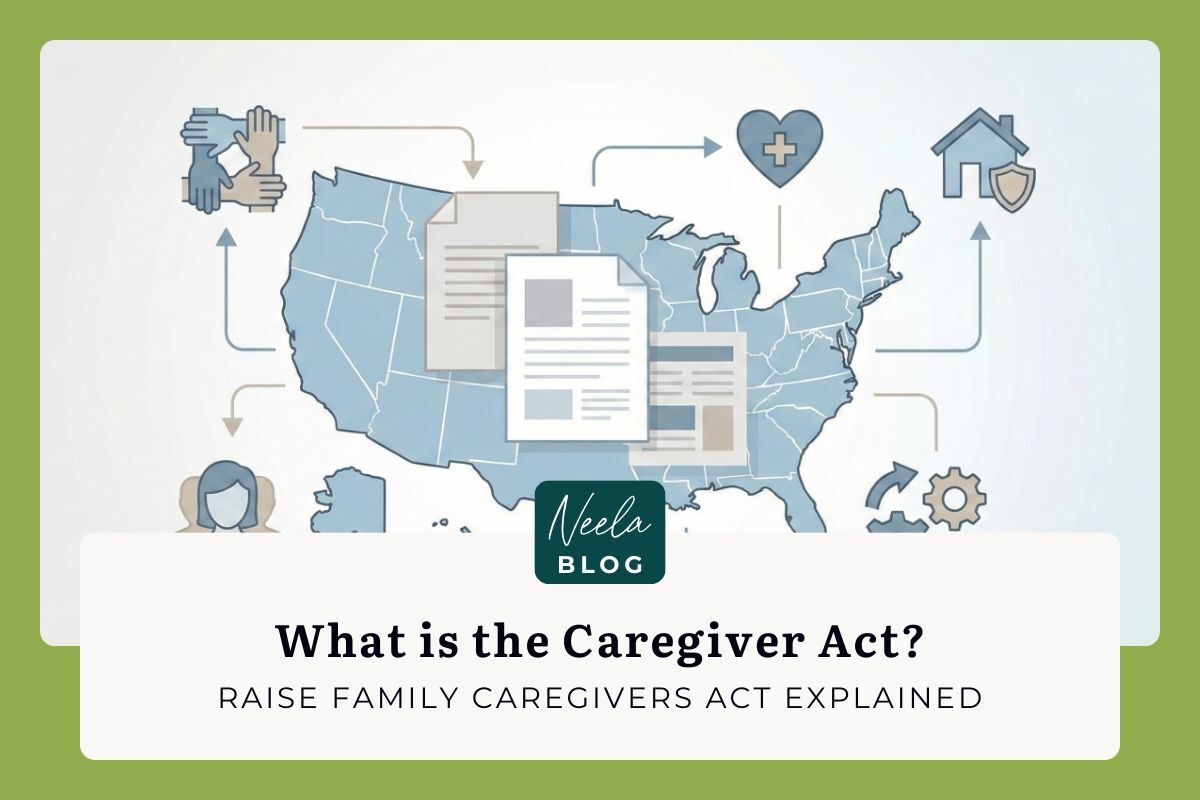
Learn about the RAISE Family Caregivers Act, a federal law designed to support and recognize unpaid family caregivers through coordinated national...
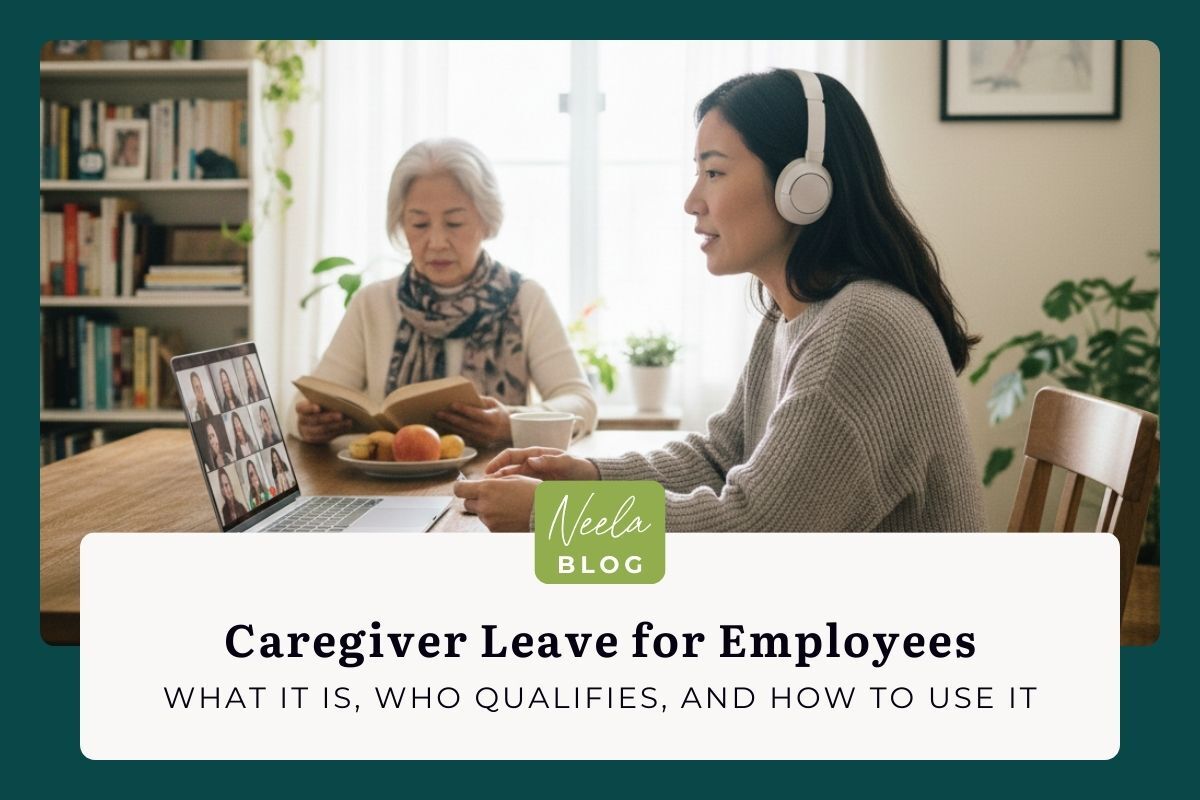
Discover what caregiver leave is, who qualifies, and how to use it to balance work and caregiving responsibilities effectively. Learn about available...