2 min read
Why Caregivers Still Need a Dedicated Care Coordination Companion, Even With ChatGPT Health
Alexis Villazon : Jan 9, 2026 7:00:00 AM
When OpenAI introduced ChatGPT Health, it sparked real excitement. The idea of combining conversational AI with health data from your phone feels like a major step forward. People already turn to AI for medical questions, and deeper integration with health apps makes those conversations more personalized and useful.
There is clearly demand here. People want help understanding health information, symptoms, medications, and next steps.
But while ChatGPT Health is powerful, it does not fully address the everyday reality of caregiving.
The Caregiver’s Reality
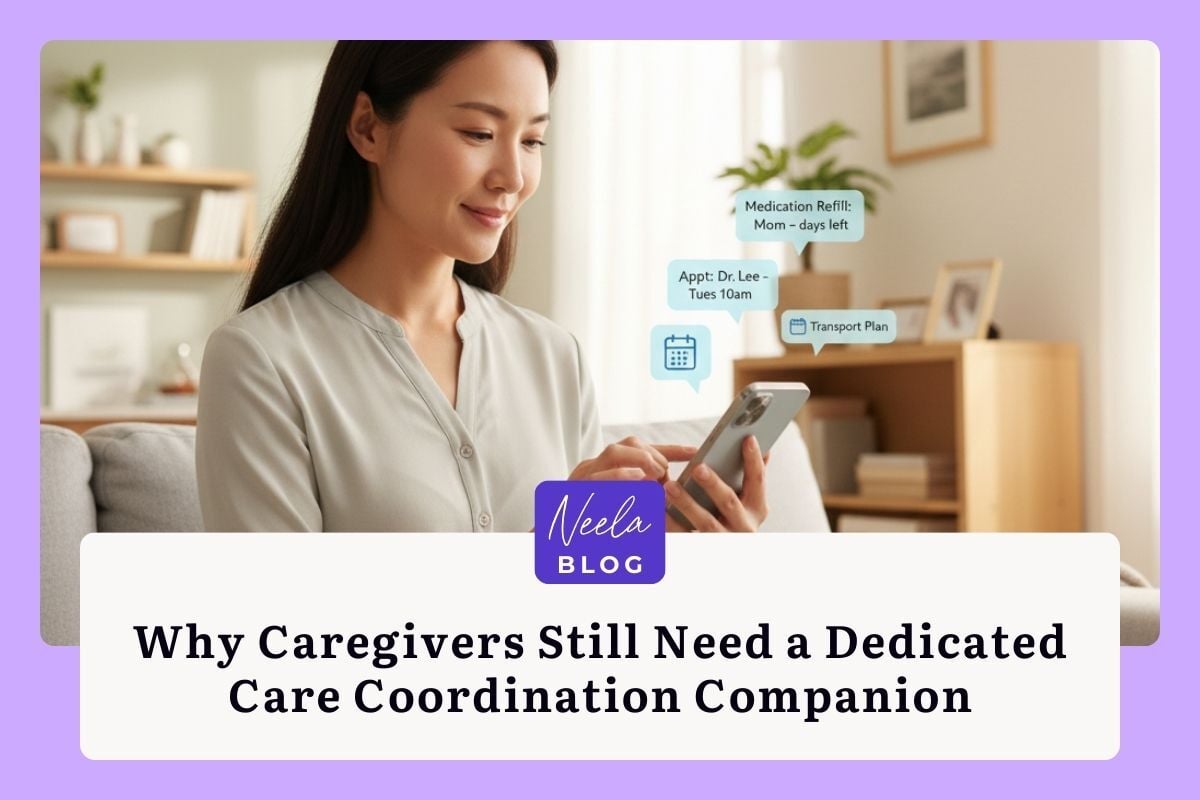
Caregivers are not just looking up health information. They are coordinating care over time for someone they love.
They are managing appointments across multiple providers, tracking medications and symptoms, remembering what was said at the last visit, preparing for the next one, and often sharing updates with family members. This work is ongoing, emotional, and complex.
Their challenge isn’t a lack of information. It’s the burden of organization, continuity, and coordination.
What ChatGPT Health Does Well
ChatGPT Health brings meaningful value:
- Clear explanations of medical information
- Conversational access to personal health data
- Easier interpretation of trends and metrics
For individuals managing their own health, or caregivers looking for clarification in the moment, this is incredibly helpful. AI excels at turning dense information into understandable language. But caregiving rarely happens in isolated moments.
Where the Gaps Appear
Caregivers need more than answers. They need a system that supports the workflow of care.
That includes:
- Keeping a long-term record of symptoms, medications, and provider instructions
- Tracking changes over weeks and months, not just one conversation
- Coordinating across doctors, specialists, pharmacies, and family members
- Preparing for appointments and remembering what matters afterward
A conversational AI can explain what something means. It doesn’t manage the ongoing structure required to keep care on track.
Why Care Coordination Matters
Caregiving is operational by nature. It involves logistics, follow-ups, shared information, and constant adjustments.
Without a centralized place to organize everything, caregivers end up relying on scattered notes, memory, text messages, and stress-driven reminders. This is where burnout starts.
Technology should reduce that burden, not add to it.
Where Neela Fits
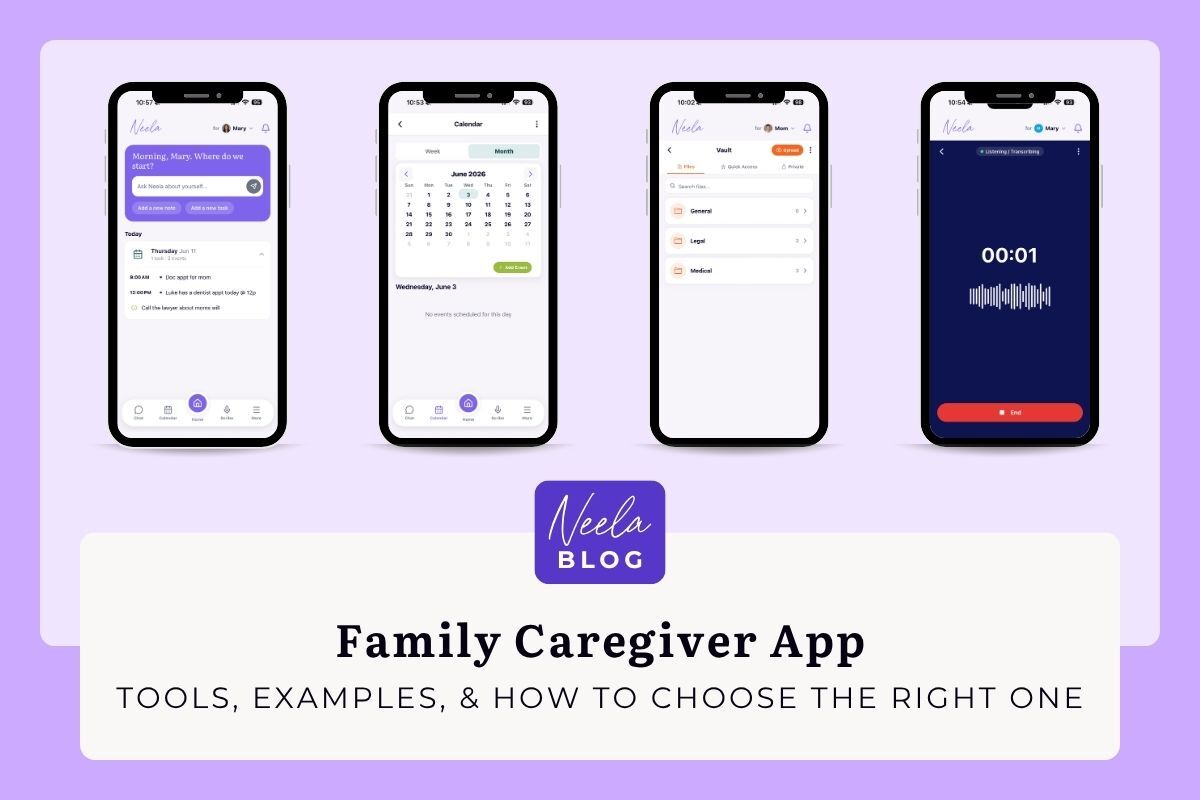
Neela is built specifically for caregivers who are coordinating care over time.
It provides:
- A single place to capture and organize care information
- Tools to track medications, symptoms, and key details consistently
- Support for sharing updates with family members and care teams
- Structure that helps caregivers stay prepared, confident, and informed
Neela does not replace clinical tools or medical advice. It complements them by focusing on the lived experience of caregiving.
AI as a Partner, Not the Whole Solution
AI is an incredible partner in healthcare. It can clarify, summarize, and surface insights quickly.
But caregiving is not one question at a time. It is a continuous responsibility that requires memory, coordination, and shared understanding.
That is why caregivers still need dedicated tools designed around their role, not just their questions.
Closing Thought
ChatGPT Health represents an exciting evolution in how people interact with health information. It brings intelligence closer to the individual.
Neela focuses on something different but equally important: helping caregivers manage the complexity of care over time.
Because caregiving is not a single interaction. It’s a journey that deserves structure, support, and clarity.
Subscribe To Neela Blog
Complete the form to receive notifications when new blogs are posted. You will only receive an email once a month!