Top Daily Log Apps for Family Caregivers to Track Activities
Discover top daily log apps for family caregivers to effectively track health and activities, easing stress and enhancing care for loved ones.
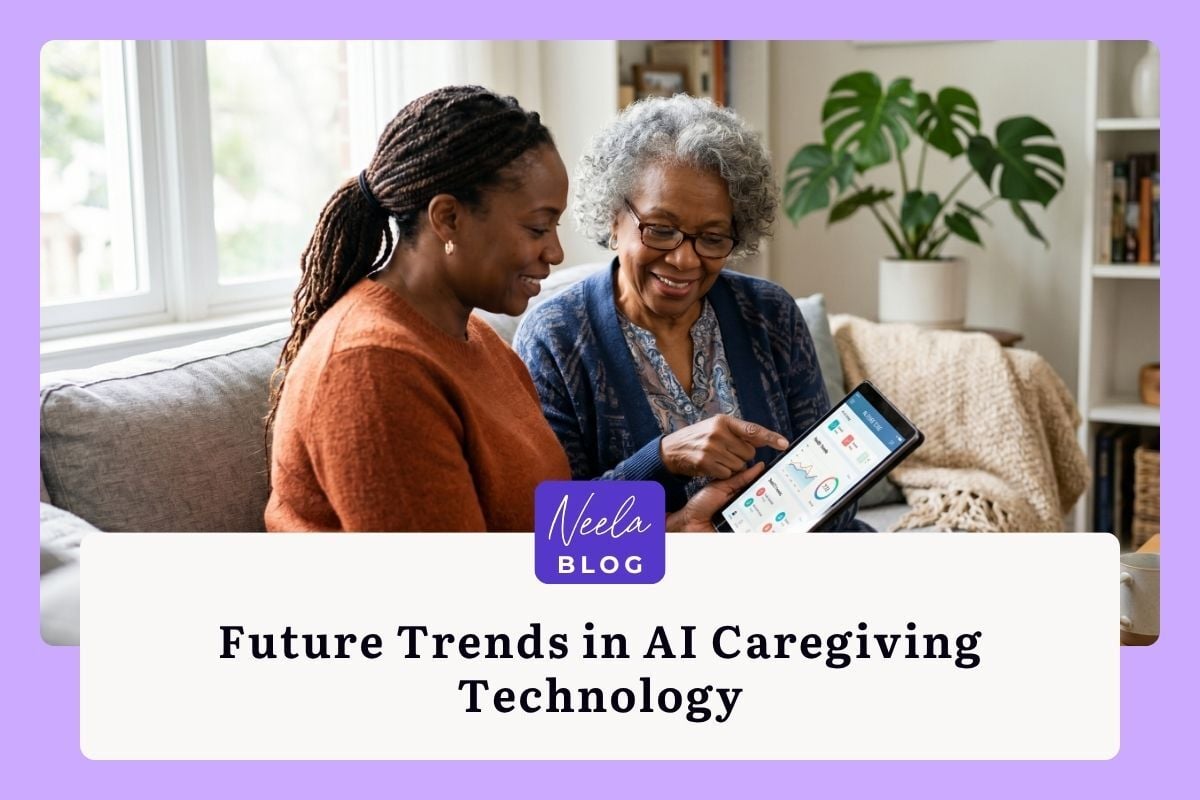
The pace of change in AI caregiving technology can feel hard to track, especially when you're already managing a full plate of responsibilities for someone you love. But here's the encouraging truth: the future trends shaping AI in caregiving technology are overwhelmingly designed to make your life easier, not more complicated. Many of these tools are being built specifically for family caregivers who aren't medical professionals but who carry professional-level burdens every single day. The goal isn't to replace the human heart of caregiving. It's to give you better information, fewer surprises, and more confidence in the decisions you're making. Whether you're coordinating care across siblings, managing multiple medications, or simply trying to keep your parent safe at home, the technology coming down the pipeline is worth paying attention to. What follows is a practical look at where things are heading and what it could mean for your family.
The biggest shift happening right now is a move from reactive care to proactive care. Instead of responding to a fall, a hospitalization, or a sudden decline, AI systems are learning to spot trouble before it arrives. This changes the entire rhythm of caregiving. You stop living in constant crisis mode and start working from a place of informed awareness.
For family caregivers, this means fewer 2 a.m. emergency calls and more early-morning alerts that say, "Hey, something's different - you might want to check in." That alone can be transformative for your stress levels and your ability to plan ahead.
Falls remain the leading cause of injury-related death for adults over 65, according to the CDC. Predictive analytics tools are now being trained on gait patterns, movement frequency, and even subtle shifts in how someone rises from a chair. When the system detects a change - say, your mom is taking shorter steps or gripping furniture more often - it flags the pattern before a fall actually happens.
Some systems pair this data with environmental context, like time of day or room lighting, to generate specific recommendations. You might receive a suggestion to add a grab bar in the hallway or schedule a physical therapy evaluation. These aren't vague warnings; they're specific, useful prompts you can act on right away.
Nobody wants to feel like they're being watched, and your loved one's dignity matters. Ambient sensing technology uses motion detectors, pressure sensors, and even radar-based systems to track activity patterns without cameras. The system learns what a "normal" day looks like - when someone typically gets out of bed, how often they visit the kitchen, whether they're moving around at night.
When patterns shift, you get a notification. Maybe your dad hasn't left his bedroom by noon, or kitchen activity has dropped significantly over a week. These signals can indicate depression, pain, or a new medication side effect. The beauty of ambient sensing is that it respects privacy while still keeping you informed.
Generative AI is already writing emails and creating images. The next frontier is emotional support, particularly for older adults experiencing loneliness or cognitive decline. This isn't about replacing human connection. It's about filling the gaps between visits, calls, and in-person care.
For someone living with dementia, repetition isn't a bug - it's a feature. AI companions are being developed to engage in conversations tailored to a person's long-term memories, preferred topics, and emotional triggers. Imagine a system that knows your grandmother loved gardening in the 1970s and can gently prompt a conversation about her rose bushes.
These tools pull from personal data that families provide: favorite songs, names of childhood pets, stories about their wedding day. The result is a companion that feels familiar rather than generic. For families managing memory care, this kind of personalization can reduce agitation and provide comfort during the hours when no one else is available.
It's a familiar pattern: caregivers push themselves to emotional exhaustion because they feel no one else can handle the emotional labor. AI tools are starting to shoulder some of that weight. Automated check-in systems can ask your loved one how they're feeling, track mood patterns over time, and alert you when emotional distress seems elevated.
This doesn't replace your relationship. It gives you data you wouldn't otherwise have, especially if your loved one tends to say "I'm fine" every time you call. Recognizing gradual emotional changes - withdrawal, irritability, increased anxiety - is just as important as tracking physical symptoms. A first step here: start logging your loved one's mood during your regular visits, even informally, so you have a baseline to compare against.
Most families cobble together care using a mix of sticky notes, group texts, shared Google Docs, and memory. It works until it doesn't. The emerging trend is purpose-built platforms that function as operating systems for family caregiving, and this is where tools like Neela are leading the way. Neela connects appointments, notes, documents, and conversations into one continuous view of care, turning scattered information into clear guidance.
Think about how much care information lives in different places right now: medication lists on the fridge, insurance documents in a filing cabinet, doctor's notes in a patient portal, and your sister's observations from last Tuesday in a text thread you can't find.
A caregiving operating system pulls all of this together. When everything lives in one place, you can spot connections you'd otherwise miss. Maybe a new medication coincided with increased confusion. Maybe appointment frequency has quietly doubled over six months. Neela, for example, organizes this kind of data so that handoffs between family members or respite providers become straightforward rather than stressful. Your first step: pick one category of care information, like medications, and centralize it this week.
Static care plans become outdated the moment something changes, and something always changes. AI-powered systems are moving toward dynamic care plans that update automatically based on new inputs: a recent hospital discharge, a change in mobility, a new diagnosis.
Instead of rewriting the plan from scratch every few weeks, the system suggests adjustments. It might recommend increasing hydration reminders after a UTI diagnosis or shifting meal prep to softer foods after a dental procedure. This kind of responsiveness used to require a dedicated care manager. Now it's becoming accessible to families managing care on their own.
Software is only half the story. The hardware side of AI caregiving is evolving rapidly, with wearables, smart home devices, and medical-grade sensors converging into unified ecosystems. The trend is toward devices that talk to each other, sharing data so you get a complete picture rather than isolated readings.
A smartwatch tracking heart rate, a smart speaker monitoring voice patterns for signs of depression, and a bed sensor measuring sleep quality can all feed into the same dashboard. For you, that means one place to check instead of five apps.
Managing chronic conditions like diabetes, heart failure, or COPD requires constant vigilance. Biometric feedback loops use continuous data from wearables to detect early warning signs: a gradual increase in resting heart rate, changes in blood oxygen levels, or irregular sleep patterns.
These systems don't just collect data; they create feedback loops. If blood glucose trends upward over three days, the system can prompt a medication review or suggest a dietary adjustment. For family caregivers coordinating between multiple prescribers, this kind of automated tracking reduces the risk of something falling through the cracks. A practical starting point: ask your loved one's doctor which single biometric metric would be most valuable to track at home.
As AI becomes more embedded in caregiving, the ethical questions get more urgent. Who owns the data your mother's sensors collect? Who can access it? What happens if the company storing it goes out of business? These aren't abstract concerns - they affect real families right now.
There's a tension every caregiver knows: you want your loved one safe, but you also want them to feel like an adult with choices. AI monitoring can tip toward surveillance if it's not implemented thoughtfully. The best systems give the care recipient some control, letting them see what's being tracked, pause monitoring during private moments, or set boundaries around data sharing.
Adopting a "good enough" mindset helps here too. You don't need to monitor every breath. You need enough information to intervene when it matters and enough restraint to let your loved one live their life.
In homes where grandparents, parents, and children share space, smart home devices collect data on everyone. A motion sensor doesn't distinguish between your teenager and your father-in-law. Future AI caregiving systems will need granular privacy controls that let families decide who sees what.
Look for platforms that offer role-based access. Neela, for instance, allows different family members to see different levels of care information, which matters when siblings have different roles or when privacy boundaries vary across generations. Your first step: have a family conversation about what data everyone is comfortable sharing and who should have access.
Hospital-grade technology has historically stayed in hospitals. The future of AI in caregiving means bringing that intelligence home, in forms that don't require a nursing degree to operate. Think simplified interfaces, plain-language alerts, and systems that learn your family's specific routines rather than forcing you into a clinical workflow.
This is the gap that matters most. Professional caregivers have electronic health records, clinical decision support, and team-based communication tools. Family caregivers have been left to figure it out alone. The trends outlined here point toward a future where that gap narrows significantly, giving you tools that match the complexity of what you're actually doing every day.
You don't need to adopt every new technology at once. Pick the one area where you feel most overwhelmed - whether that's medication tracking, fall prevention, or just keeping your family on the same page - and start there. Small steps compound into real change, and the technology is finally catching up to the reality of what family caregiving demands.
Complete the form to receive notifications when new blogs are posted. You will only receive an email once a month!
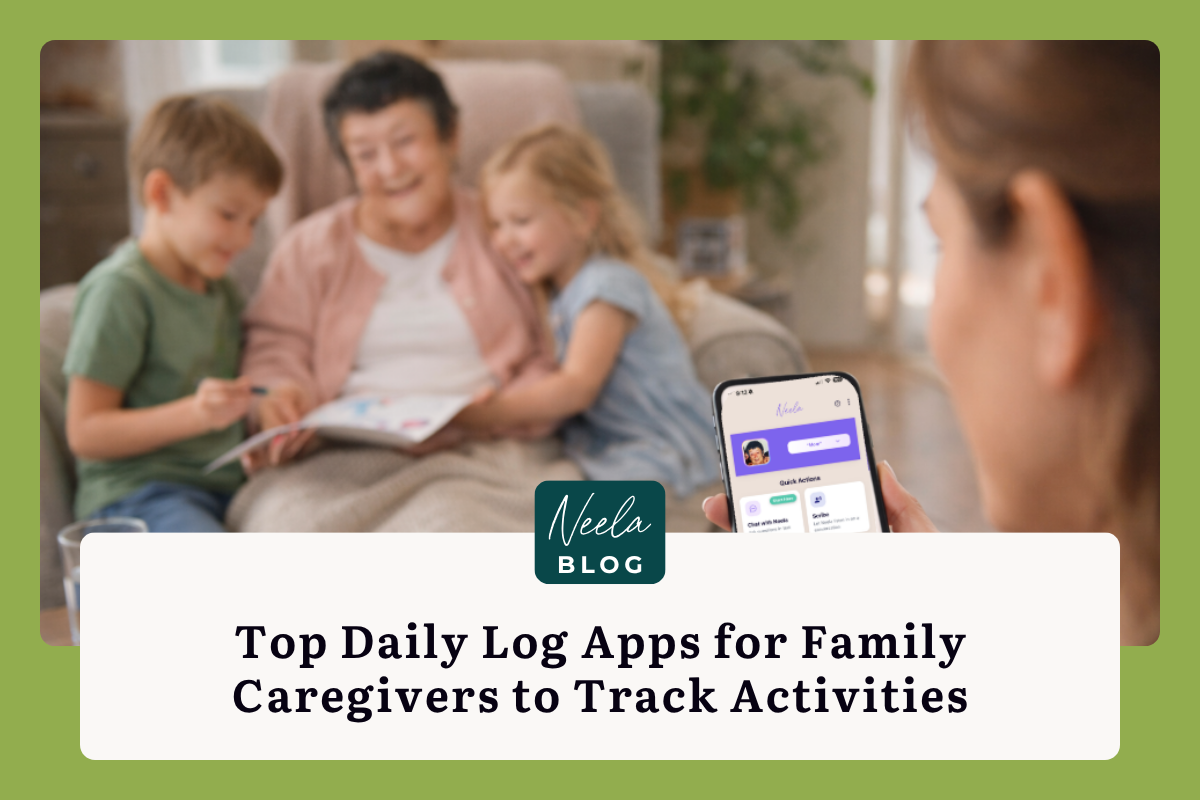
Discover top daily log apps for family caregivers to effectively track health and activities, easing stress and enhancing care for loved ones.
Family caregivers need apps designed for their unique challenges, not just for patients. Discover what works for effective caregiving and symptom...
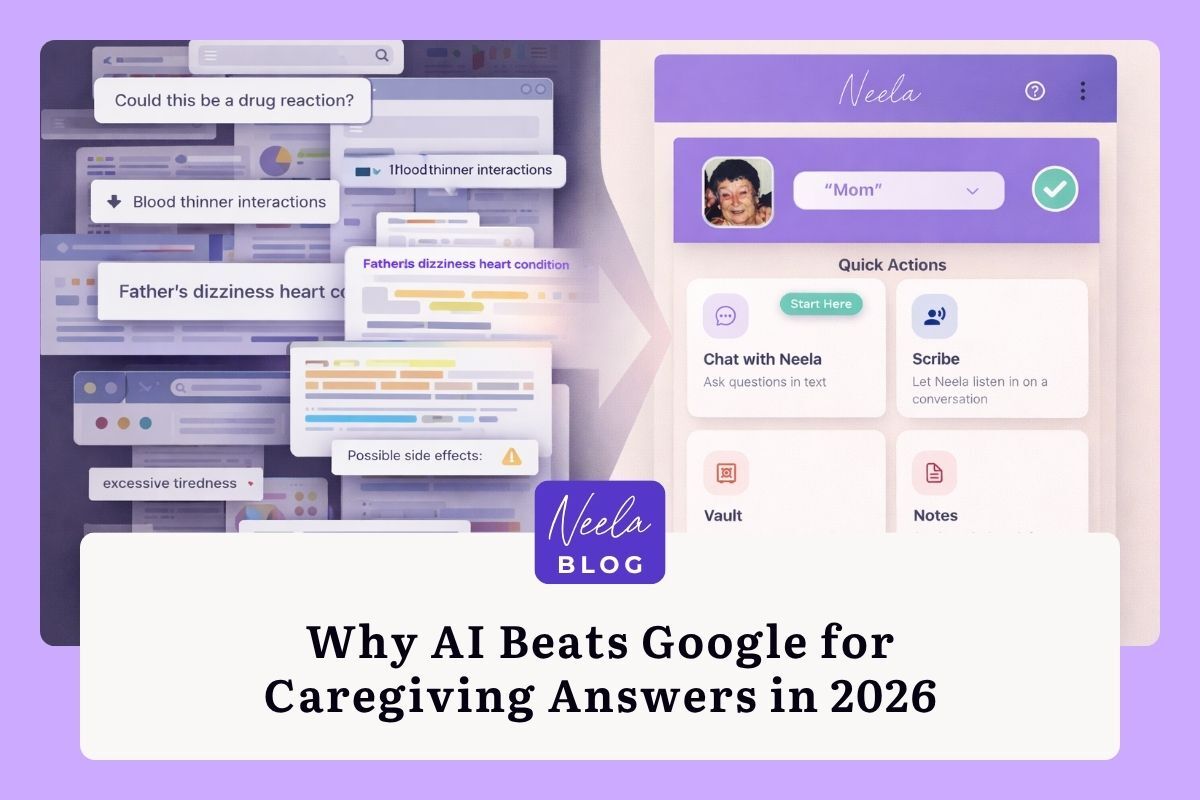
Discover how AI is transforming caregiving in 2026 by providing personalized, context-aware support that enhances decision-making and reduces...