How to Organize a Caregiver Binder for Better Care
Learn how to organize a caregiver binder to centralize medical records and medication schedules, ensuring you have critical information ready for...
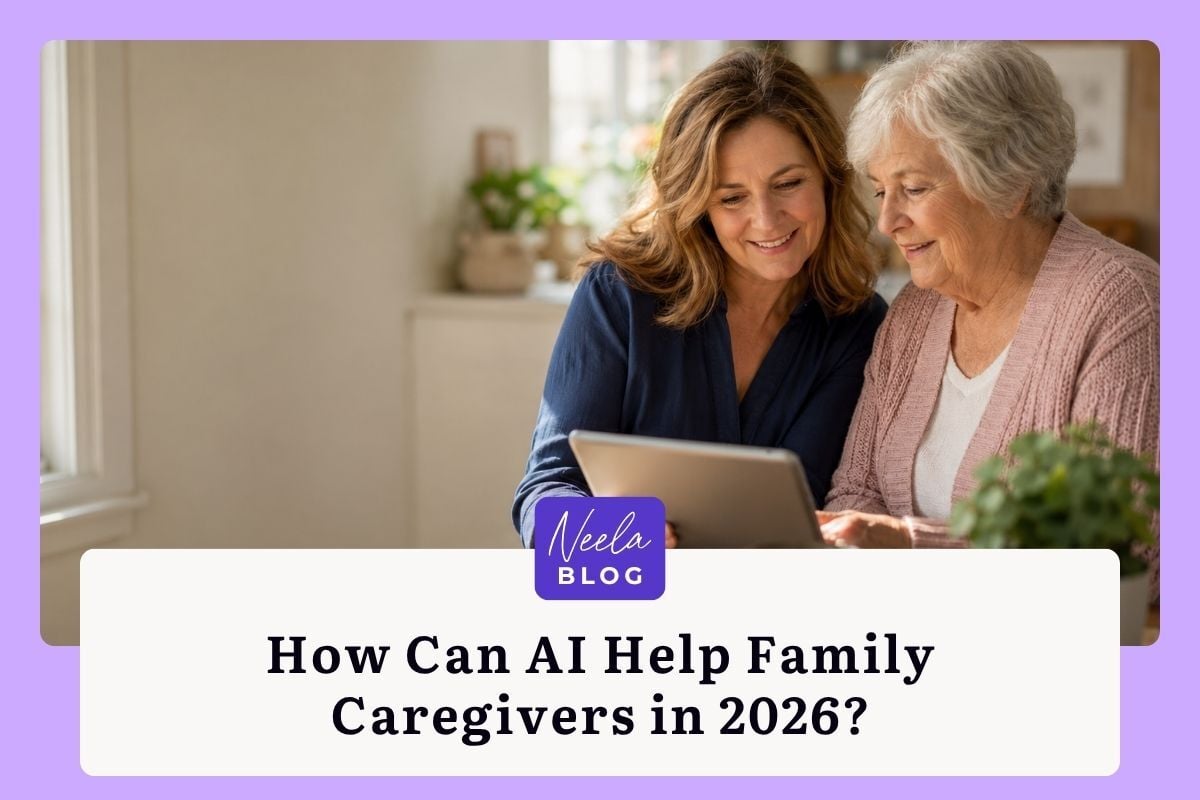
Caring for a family member is one of the most meaningful things you'll ever do, and also one of the hardest. Between managing medications, coordinating doctor visits, tracking symptoms, and trying to maintain your own health, the mental load adds up quickly. The good news: artificial intelligence has matured enough in 2026 to offer real, practical help for family caregivers, not someday, but right now.
Whether you're supporting an aging parent, a spouse with a chronic condition, or a child with complex needs, AI-powered tools can take genuine weight off your shoulders. This guide will walk you through the most useful applications available today, from easing burnout to keeping your loved one safer at home. You don't need to be tech-savvy to benefit. You just need to know where to start, and that's exactly what we'll cover.
Family caregiving has changed dramatically over the past decade. What used to rely entirely on paper calendars, handwritten medication lists, and phone chains between siblings now intersects with smart sensors, voice assistants, and machine learning that can spot patterns humans miss. AARP and the National Alliance for Caregiving estimate that 63 million Americans are now family caregivers, roughly one in four adults, a 45% increase over the past decade as the population ages.
The shift isn't just about gadgets. It's about reducing the cognitive load that builds up on caregivers over time. Remembering every appointment, tracking every symptom change, and coordinating between three different specialists is demanding mental work. AI is well suited to exactly this kind of pattern recognition and information management.
AI in home care falls into a few practical categories: communication and coordination tools, health monitoring systems, safety devices, and decision-support assistants. None of these replace you as a caregiver. They handle the repetitive, data-heavy tasks so you can focus on the human parts of caregiving: the conversations, the comfort, the connection.
A platform like Neela, for example, connects appointments, notes, documents, and conversations into one continuous view of care. Instead of digging through text messages and sticky notes to remember what the neurologist said last month, everything lives in one place. That kind of centralization sounds simple, but it's the difference between feeling organized and feeling scattered.
A useful place to begin is with the single area of caregiving that causes the most stress, whether that's scheduling, medication tracking, or communication with family members, then looking for an AI tool that addresses it specifically.
Burnout isn't a sign of weakness. It's what happens when a compassionate person gives more than they have for too long. Physical signs include ongoing fatigue, frequent illness, and disrupted sleep. Emotional signs show up as irritability, withdrawal from friends, guilt, and a creeping sense of resentment toward the person you're caring for.
The benefits of generative AI for caregiver burnout are surprisingly tangible. Generative AI tools can draft care summaries, compose emails to insurance companies, write updates for family members, and even help you articulate concerns before a doctor's appointment. These tasks eat hours every week, and reclaiming that time is real self-care, not the bubble-bath kind, but the kind that actually protects your wellbeing.
Consider how much time goes to logistics alone. Scheduling rides to appointments, filling out intake forms, calling pharmacies, updating family members. Generative AI assistants can now draft those emails, generate appointment reminders, and even create care schedules that rotate responsibilities among family members.
Some caregivers use AI scheduling tools to build weekly care calendars that automatically adjust when conflicts arise. If your brother can't take Mom to her Thursday appointment, the system suggests alternatives and notifies other family members. This removes you from the tiring role of "family dispatcher."
AI chatbots designed for caregivers have improved significantly. Several now offer cognitive behavioral therapy techniques through conversation, available at 2 a.m. when you can't sleep because you're worried about tomorrow's test results.
These aren't replacements for therapy or human connection. But they can be a pressure valve. When you need to process a difficult day and your support network is asleep, having a nonjudgmental space to talk through your feelings has value. The research here is still early. Most studies so far are small pilots rather than long-term trials, and researchers are calling for larger studies to confirm how much these tools reduce burnout over time. Early findings are promising, and many caregivers report that even a brief check-in helps them feel less alone.
If your loved one lives alone or spends significant time unsupervised, safety is often a caregiver's biggest worry. Smart home automation for elderly safety has moved well beyond basic medical alert buttons. Today's systems use a combination of sensors, cameras, and AI to detect problems before they become emergencies.
One advantage of these systems is that they work passively. Your loved one doesn't need to remember to wear a pendant or press a button. The technology monitors the environment and responds automatically.
Falls remain the leading cause of injury-related death for adults over 65, according to the CDC, and the fall death rate has been rising. AI-powered fall detection systems use a combination of radar sensors, accelerometers, and computer vision to distinguish between a person sitting down on the couch and a person collapsing on the kitchen floor.
When a fall is detected, these systems can automatically alert you, call emergency services, and even unlock the front door for paramedics. Some systems learn your loved one's movement patterns over time, becoming more accurate as they gather data. A growing number of these devices are radar or sensor-based and don't require your parent to wear anything on their body.
Ambient sensors track daily patterns: when your mom gets out of bed, whether she opened the refrigerator, how long she spent in the bathroom, whether she left the stove on. The AI establishes a baseline of normal behavior and flags deviations.
If your father usually makes coffee by 8 a.m. but hasn't entered the kitchen by 10, you get a notification. If the bathroom door sensor shows an unusually long visit, the system checks in. These subtle alerts can catch problems early, often before your loved one would think to call you. Many families begin with one or two sensors in high-risk areas like the bathroom and kitchen, then expand the system as they get comfortable.
Medication errors are one of the most common and preventable risks in home care. If your loved one takes more than three medications, the complexity of timing, dosages, refills, and interactions can add up fast. The best AI tools for medication management go far beyond simple pill reminders.
True medication management means maintaining a master list of every drug, its purpose, the prescribing doctor, refill dates, and potential interactions. Neela can help centralize this information alongside appointment notes and care documents, so when you're sitting in the ER at midnight, you can pull up a complete medication list in seconds instead of guessing.
Smart pill dispensers lock medications inside the device and dispense the correct pills at the correct times. If your loved one doesn't take a dose, you receive an alert. Some dispensers connect to pharmacy systems and can auto-order refills before medications run out.
Real-time adherence tracking gives you a dashboard view of whether medications are being taken consistently. Over weeks, you can spot patterns: maybe your dad skips his evening dose every Sunday, or your mom consistently takes her blood pressure medication late. These patterns are valuable information for her doctor.
When your loved one sees multiple specialists, each prescribing independently, dangerous drug interactions can slip through the cracks. AI-powered interaction checkers cross-reference entire medication lists against databases of known interactions and flag risks that a busy pharmacist might miss.
Some tools also monitor for side effects by correlating symptom reports with medication changes. If your mother started a new blood pressure medication two weeks ago and has been reporting dizziness since, the AI connects those dots and suggests a conversation with her prescriber. A physical backup helps too: a laminated medication summary sheet by the front door and a copy in your car, since digital tools are only useful while the phone has charge.
Any conversation about AI and caregiving needs to address privacy honestly. Cameras in the home, health data flowing to cloud servers, voice recordings being processed by algorithms: these tools collect sensitive information, and your loved one deserves a say in how that information is used.
A direct conversation with the person you're caring for about what monitoring they're comfortable with goes a long way. Many older adults accept motion sensors but draw the line at cameras. Those boundaries are worth respecting. It also helps to check that any device you install uses encrypted data transmission and lets you control what gets stored and for how long.
Access matters too. If you're using a platform like Neela to coordinate care among siblings, clear agreements about what information is shared and who can see it keep everyone aligned. Transparency builds trust, and trust is the foundation of good caregiving. It's also worth reviewing your state's laws on recording and monitoring, especially if you employ any paid home care aides, since consent requirements vary significantly by jurisdiction.
The AI tools available in 2026 are impressive, and they're evolving fast. Voice-based health assessments, predictive models that flag hospitalization risk weeks in advance, and AI care coordinators that schedule across multiple providers are all moving from pilot programs into mainstream availability.
There's no need to adopt everything at once. The most sustainable approach is to start with the tool that solves your most pressing problem today. Maybe that's a smart pill dispenser, maybe it's a scheduling assistant, maybe it's simply a place to keep all your care documents organized so you stop losing time searching through email threads.
Being a "good enough" caregiver, one who is present, engaged, and not burned out, matters more than being a technically perfect one. AI can handle the logistics so you can show up as a human being for the person who needs you most. If you're feeling stretched right now, that's a common experience among family caregivers, and it's worth remembering that you don't have to do it all by yourself.
Complete the form to receive notifications when new blogs are posted. You will only receive an email once a month!

Learn how to organize a caregiver binder to centralize medical records and medication schedules, ensuring you have critical information ready for...
 Adrianne Ruthhart : 7/20/26, 7:15 AM
Discover practical strategies for caring for both a toddler and an aging parent simultaneously, while simplifying record-keeping and maintaining...
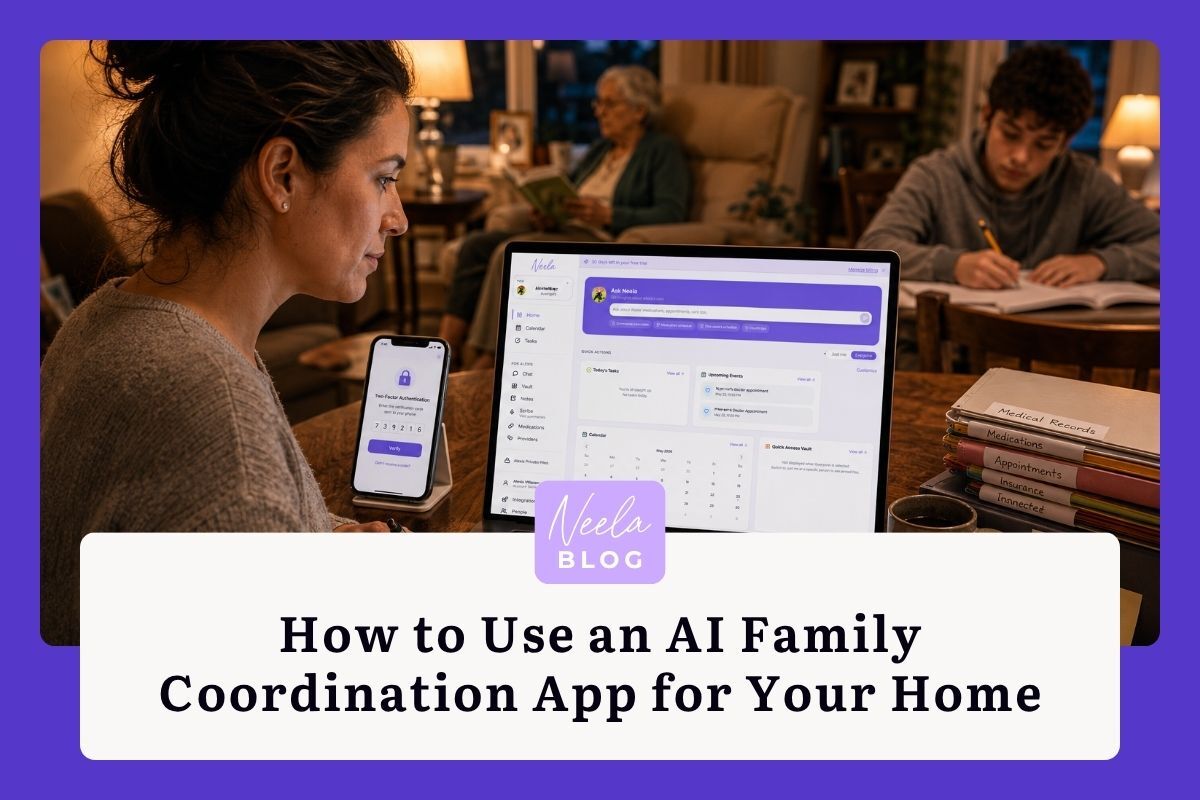
Streamline your household by using an AI family coordination app to sync busy schedules, manage daily chores, and reduce the mental load of parenting.