How to Advocate When Doctors Don't Listen
Learn effective strategies to advocate for your loved ones in medical settings when doctors dismiss concerns, ensuring their voices are heard and...
6 min read
Alexis Villazon : Published Updated
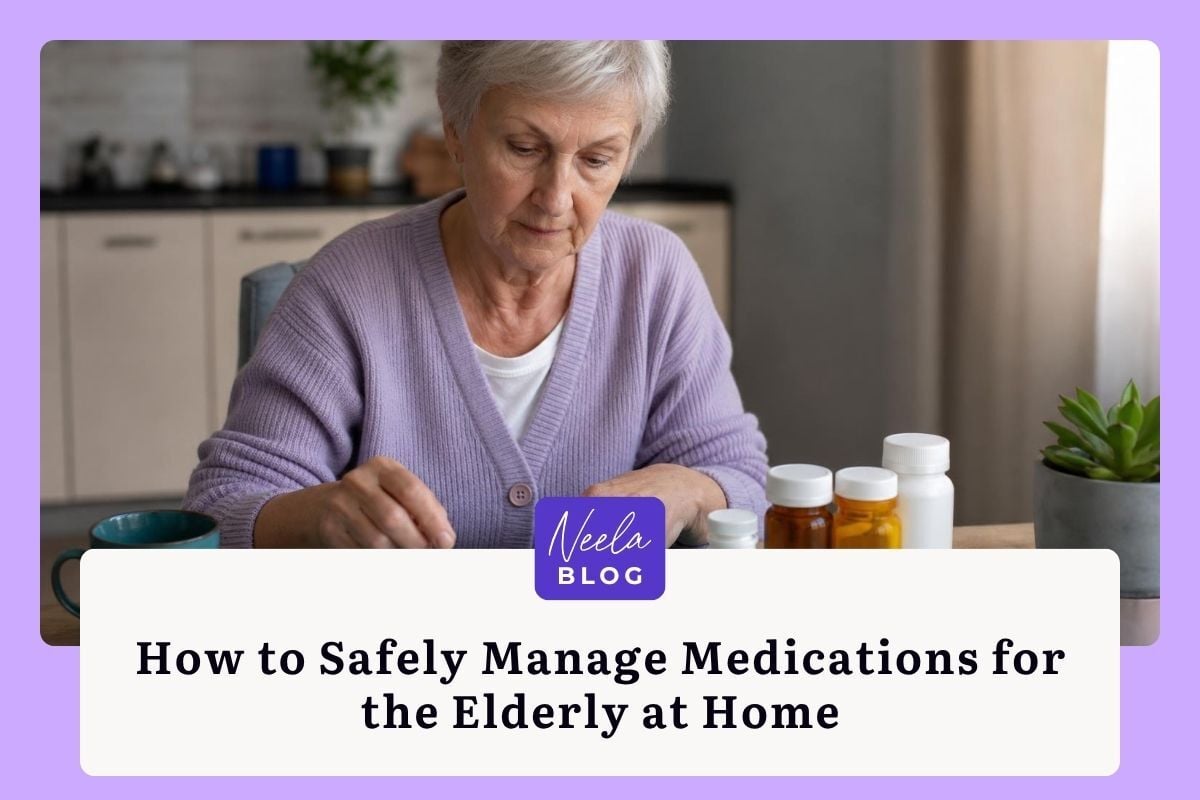
Caring for an aging parent or loved one comes with a long list of responsibilities, but few carry as much weight as managing their medications at home. The average older adult in the U.S. takes five or more prescription drugs daily, and each one comes with its own schedule, dosage, and set of interactions to watch for. If you're the person making sure those pills get taken correctly, you already know the quiet anxiety that comes with the job. A missed dose, a duplicated pill, or a bad drug interaction can mean a trip to the emergency room, and that's a fear no caregiver should have to carry alone.
The good news? You don't need a nursing degree to do this well. What you need is a reliable system, a few practical habits, and the confidence that comes from knowing you've covered your bases. This guide walks you through exactly that: from building a medication tracking system to coordinating with doctors and pharmacists. Even if you're starting from scratch, these steps will help you feel more in control and less overwhelmed. You've got this, and the fact that you're here looking for answers already proves it.
The single biggest source of medication errors at home is scattered information. One prescription bottle sits on the kitchen counter, another is in the bathroom, and the dosing instructions from the specialist are buried in a stack of papers. A centralized tracking system eliminates that chaos by putting everything in one place.
Think of it as creating a "command center" for your loved one's health. This doesn't have to be fancy. It just needs to be consistent and accessible to anyone who might step in to help, whether that's a sibling, a home health aide, or a weekend respite caregiver. The goal is simple: any person involved in care should be able to look at one source and know exactly what medications are being taken, when, and why.
Your master list is the foundation. It should include every prescription drug, over-the-counter medication, vitamin, and supplement your loved one takes. For each entry, record the drug name (both brand and generic), the prescribing doctor, the dosage, the time of day it's taken, what it's for, and the next refill date.
Keep a digital copy and a physical copy. A platform like Neela can help you store this list alongside other care documents, making it easy to share with family members or pull up during a doctor's appointment. For the physical version, print a laminated summary sheet and keep it in an emergency binder near the front door or in the car. Paramedics and ER staff will thank you for it.
Update this list every time a medication changes. That sounds obvious, but it's the step most caregivers forget after a busy hospital discharge or a quick phone call from the pharmacy.
A weekly pill organizer with labeled compartments (morning, afternoon, evening, bedtime) is one of the simplest tools you can use, and it works. Fill it at the same time each week, ideally Sunday evening, and you'll immediately spot if a dose was missed.
If your loved one takes a complex regimen, consider an automatic pill dispenser. Models available in 2026 range from $30 basic timed dispensers to $150+ smart dispensers that lock between doses and send alerts to your phone. For someone with mild cognitive decline, the locked dispenser can prevent accidental double-dosing.
The best organizer is the one that actually gets used. If your parent resists the fancy gadget but will use a simple seven-day case, go with that. Perfection is not the goal here: consistency is.
Proper storage protects medication potency, and safe disposal prevents accidental poisoning or misuse. Both deserve more attention than they typically get.
Most medications need to be stored in a cool, dry place away from direct sunlight. That means the bathroom medicine cabinet, despite its name, is actually one of the worst spots in the house. Humidity from showers degrades many drugs faster than you'd expect.
A bedroom dresser drawer or a kitchen cabinet away from the stove works much better. Insulin and certain biologics require refrigeration, so designate a specific shelf in the fridge and label it clearly. Keep all medications out of reach if grandchildren visit regularly. A high shelf or a locked box costs very little and prevents a potentially dangerous situation.
Go through the medicine cabinet every three months. Check expiration dates on everything, including eye drops, topical creams, and OTC painkillers. Expired medications can lose effectiveness or, in rare cases, become harmful.
Don't flush medications down the toilet unless the label specifically says to. The FDA maintains a list of drugs approved for flushing, but most should go to a drug take-back program. Many pharmacies, including CVS and Walgreens, offer year-round collection. Your local Area Agency on Aging can also point you toward disposal events in your community. When in doubt, mix pills with coffee grounds or kitty litter in a sealed bag and toss them in the household trash.
Adverse drug reactions send roughly 450,000 older adults to U.S. emergency rooms each year. Many of these visits are preventable with better awareness and communication.
Older bodies metabolize drugs differently. Reduced kidney and liver function means medications stay in the system longer, which can amplify side effects. Watch for dizziness, confusion, unusual fatigue, loss of appetite, and falls. These symptoms are easy to dismiss as "just getting older," but they're often drug-related.
Keep a simple log of any new symptoms that appear after a medication change. Note the date, the symptom, and what changed. This kind of record is incredibly useful during doctor visits because it turns a vague concern into concrete data. If you're using Neela to track care notes, adding a quick symptom entry takes seconds and creates a pattern you can review over time.
Polypharmacy, the use of five or more medications simultaneously, is common among older adults and carries real risks. Each new drug increases the chance of an interaction, and the odds climb steeply after the fifth or sixth medication.
It's a common scenario: a cardiologist prescribes one drug, a rheumatologist prescribes another, and neither knows about the other's prescription. The patient ends up with two medications that shouldn't be combined. You can prevent this by making sure every prescriber has access to your master medication list and by asking the pharmacist to run an interaction check whenever a new drug is added. One pharmacy for all prescriptions is the simplest safeguard against this problem.
You are not expected to manage elderly medication safety alone. Healthcare professionals are your partners, but they need you to bring organized information to the table.
At least once a year, schedule a comprehensive medication review with your loved one's pharmacist. Many pharmacies offer this service for free, especially for Medicare Part D enrollees. The pharmacist will look at every medication for redundancies, interactions, and opportunities to simplify the regimen.
Bring your master medication list, your symptom log, and any questions you've been collecting. Ask specifically: "Is there anything here that could be safely stopped or reduced?" Deprescribing, the intentional reduction of unnecessary medications, is a growing practice in geriatric care and can meaningfully improve quality of life.
Before any appointment, write down your top three concerns. Doctors have limited time, and a focused list ensures the most important issues get addressed. If multiple family members are involved in care, designate one primary communicator so the medical team isn't getting conflicting information from different people.
After the visit, summarize what was discussed and share it with everyone on the care team. Neela can serve as a central hub for these notes, keeping appointments, medication changes, and follow-up tasks in one continuous view so nothing falls through the cracks during handoffs between family members.
Having the right medications means nothing if they aren't taken correctly. Adherence is where the daily discipline lives, and it's also where small systems make the biggest difference.
Phone alarms work for some people. For others, a visual cue is more effective: placing the pill organizer next to the coffee maker ties the medication to an existing habit. Pair the dose with something your loved one already does every day, and it becomes automatic rather than another thing to remember.
For caregivers who aren't physically present at every dose, smart dispensers with app notifications offer peace of mind. Some families also set up a quick daily check-in call or text: "Did you take your morning pills?" That simple question, asked with warmth rather than interrogation, reinforces the routine without making your loved one feel surveilled.
Difficulty swallowing pills is more common in older adults than most people realize. If your loved one struggles, ask the pharmacist whether the medication is available in liquid, dissolvable, or patch form. Never crush or split a pill without checking first: some extended-release tablets become dangerous when broken.
When swallowing pills, have your loved one sit fully upright, take a sip of water before the pill, place the pill on the tongue, and follow with a full glass of water. Applesauce or yogurt can help if the pill tends to stick. These small adjustments prevent choking and ensure the medication reaches the stomach properly.
Managing medications for an elderly loved one at home is not about being perfect. It's about being organized enough that mistakes become unlikely and recoverable when they do happen. Start with the master medication list: that single step eliminates more confusion than any gadget or app ever could. Add a pill organizer, schedule that annual pharmacist review, and build in simple reminders that fit your loved one's daily routine.
You're doing meaningful, difficult work. A present, engaged caregiver who has a "good enough" system in place is worth far more than someone chasing perfection and burning out in the process. Take care of yourself while you take care of them, and remember that asking for help, whether from a pharmacist, a sibling, or a tool like Neela, isn't a sign of weakness. It's the smartest thing you can do.
Your first step today: sit down for 15 minutes and write out that master medication list. Everything else builds from there.
Complete the form to receive notifications when new blogs are posted. You will only receive an email once a month!

Learn effective strategies to advocate for your loved ones in medical settings when doctors dismiss concerns, ensuring their voices are heard and...
%209.28.jpg)
Master co-parenting medical records with these practical tips for syncing health data and insurance info between households to ensure your child...

Learn how to organize your child's medical records with a simple filing system that ensures immunization dates and allergy notes are always easy to...