Why AI Beats Google for Caregiving Answers in 2026
Discover how AI is transforming caregiving in 2026 by providing personalized, context-aware support that enhances decision-making and reduces...
.png?width=1200&height=800&name=Neela%20Blog%20Image_more%20than%20one%20power%20of%20attorney%20(1).png)
Yes, you can have multiple powers of attorney in the United States. The law in most states allows you to name more than one agent in a single power of attorney document, create separate POA documents for different purposes, or both.
A power of attorney is a legal document that lets you (the principal) give a trusted person (the agent, also called an attorney in fact) the legal authority to act on your behalf in specific situations. The agent can manage your affairs, make decisions, and handle tasks you define in the document when you are unavailable or unable to do so yourself.
POAs can cover different areas of your life:
Financial planners can provide specialized advice when setting up POAs, especially for complex financial affairs or urgent decisions.
The document controls what the agent can do, when their authority starts (immediately upon signing or only if you become incapacitated), and when it ends (upon revocation, an expiration date, your death, or completion of the specified task).
A durable power of attorney stays in effect even if you later develop memory problems, dementia, or other conditions that leave you mentally incapacitated. This durability makes it central to modern estate planning and elder care.
Example: An 82-year-old woman in Austin, Texas, signs a durable financial POA naming her daughter as agent. If she has a stroke and cannot manage her own finances, her daughter can immediately pay medical bills, handle insurance claims, and keep the household running without going to court for guardianship.
The answer is yes. There are two main ways this happens:
U.S. law varies by state, but most states allow you to:
Concrete examples:
The question of how many POAs you can have matters less than how well they are structured. The key considerations are:
Families who use multiple agents benefit from strong communication systems and shared records. This is where digital tools like Neela Cares can support coordination by keeping everyone on the same page.
Understanding the main POA types helps you decide where it makes sense to have more than one agent or more than one power of attorney document.
General financial POA: Grants broad authority over money, property, investments, and financial decisions. Some families name co agents here, such as two siblings who split responsibility, but this can create friction with financial institutions that want a single person to sign.
Limited or special POA: Covers a narrow purpose, like selling a house in 2027 or managing a specific business transaction. Multiple agents are less common here because the scope is already restricted.
Durable POA: Continues in effect after you become incapacitated. This is the most important type for dementia planning, stroke recovery, and long-term care. Both financial and healthcare POAs can be made durable.
Springing POA: Only springs into effect after a triggering event, usually a physician certifying that you are incapacitated. Some families prefer this so the agent has no authority until actually needed.
Healthcare or medical POA: Authorizes someone to make treatment choices, discuss care options with doctors, and decide about life-sustaining treatments. The document should include specific language granting the agent legal authority to make health care decisions on the principal's behalf. Many lawyers prefer one agent at a time with clear successors to avoid deadlock during a medical emergency. If two agents must agree before the ER can act, critical time can be lost.
Caregiving-oriented example: A parent with early Parkinson’s disease names adult child A as the primary agent for financial matters because she is a financially savvy daughter who manages her own investments. The parent names adult child B as the healthcare agent because he is a nurse with direct experience in the medical field. The parent also writes clear instructions about preferences for in-home care versus a nursing home if mobility declines significantly.
No matter which type you use, the document’s wording must spell out how multiple agents are supposed to work together, who can act alone, and what happens if they disagree.
You can customize how your agents share power within a single POA document. The labels you use—co agent, joint, successor—have real legal consequences that affect how decisions get made.
Single primary agent with successors
One person acts at a time. If the first agent dies, resigns, becomes incapacitated, or is otherwise unable to serve, the next named person steps in as successor. This structure keeps things simple and avoids conflicts between two people trying to act simultaneously. It is the approach many elder law attorneys recommend.
Co agents with independent authority
Each agent can act independently without needing the other’s consent. Banks or hospitals may accept either signature, which speeds up routine tasks. However, this independent authority can lead to conflicting actions if the agents do not communicate well. One agent might sell an investment while the other is planning to use that money for home modifications.
Joint agents
Two or more agents must act together and agree on every decision. This provides checks and balances and can prevent one person from making unilateral choices. The downside is potential deadlock. If one agent is traveling, unavailable, or simply disagrees, important decisions stall. For urgent healthcare decisions at 2 AM, joint requirements can be dangerous.
Majority rule (for three or more agents)
The POA document can specify that decisions follow the majority vote. This is mainly used in complex estates or business contexts where oversight is critical but complete unanimity would be impractical.
Your POA should clearly spell out:
Family caregiving scenario: Three siblings are named as co agents. The document specifies that two must agree on any financial transaction over $10,000, but any one sibling can pay regular monthly bills, medical co-pays, and routine expenses under that threshold. This balances oversight with practicality.
A digital system like Neela Cares can support co agents by providing shared calendars, appointment notes, and document storage so everyone sees the same information when making decisions.
Deciding whether to name multiple agents or create multiple powers of attorney involves weighing real benefits against practical drawbacks. Your family dynamics, geographic situation, and the complexity of your estate all factor into this decision.
Shared workload: Two adult children can split bill-paying, insurance paperwork, and medical appointment coordination. One person does not carry the entire burden, which reduces caregiver burnout.
Checks and balances: Co agents can review each other’s decisions, which reduces the risk of financial abuse or poor judgment. This oversight is especially valuable when significant assets are involved.
Matching skills to tasks: A financially savvy daughter handles investments and tax matters while a responsible child with medical training manages treatment decisions. Each person contributes their strengths.
Geographic flexibility: A local child attends in-person doctor appointments and handles emergencies. An out-of-state child manages online banking, investment accounts, and insurance claims. Neither has to handle everything alone.
Risk of deadlock: Siblings with differing opinions about selling the family house in 2028 to pay for memory care can slow urgent decisions. If joint consent is required, one holdout can block action entirely.
Institutional friction: Some financial institutions and healthcare facilities refuse to honor joint signatures or demand that all co agents sign every form. Banks may require their own POA forms or add extra verification steps, causing delays.
Confusion for doctors: ER staff at 2 AM may not know which co agent has the final say during a medical crisis. If the POA document is unclear about decision making authority, treatment can be delayed.
Relationship strain: Long-standing sibling tension can surface when making high-stress care choices, especially around end-of-life decisions. A second agent with equal power may lead to conflicts that damage family relationships permanently.
Families should weigh these trade-offs realistically. Consider your family’s communication patterns, any history of conflict, the distances involved, and the complexity of the principal’s finances and health needs.
For many families, naming one primary agent with clear successor agents—plus shared visibility through tools like Neela Cares—offers a good balance of control and simplicity without the friction of requiring multiple people to agree on every action.
These examples show how multiple POAs and agents work in everyday elder care, especially for chronic conditions families are managing in 2024 through 2026.
Margaret, age 78, receives an early dementia diagnosis. While she still has mental capacity, she signs a durable financial POA naming her eldest child, David, as primary agent. Her youngest child, Sarah, is named as successor agent in case David cannot serve.
Margaret creates a separate healthcare POA naming her middle child, Karen, as healthcare proxy. Karen is a nurse with 20 years of experience and understands medical options, medication interactions, and what questions to ask specialists.
The family uses Neela Cares to maintain shared notes about Margaret’s medications, doctor visit summaries, and care preferences. When Karen adjusts Margaret’s pain management plan after consulting with the neurologist, David can see the update and knows to budget for new prescriptions. Everyone works from the same information.
Robert lives in California but his mother, Helen, lives in Texas. Helen wants to sell her condo in 2025 and move to assisted living.
Helen signs a limited POA authorizing her neighbor, Janet, to handle the real estate transaction locally. Janet can sign documents, meet with realtors, and manage the closing without Robert flying in for every signature.
Helen also signs a separate durable financial POA naming Robert as agent for all bank accounts, investments, and ongoing financial decisions. This structure lets each person handle what they can best manage given their location.
Two siblings, Michael and Jennifer, are named as joint co agents for their father’s financial POA. Within months, they disagree about whether to hire private in-home aides or move their father to assisted living.
Because the POA requires both to agree, neither option moves forward. Bills go unpaid. Medical appointments get missed because no one coordinates transportation. The father’s care suffers.
By 2027, a cousin files a petition with the court asking for a guardian to be appointed. The court proceedings cost over $15,000, take six months, and permanently damage the siblings’ relationship. This worst-case outcome illustrates what happens when co agency is poorly structured and family members cannot work through conflicts.
These examples reinforce several lessons:
If you are planning POAs in 2024 through 2026, especially while aging parents are still mentally capable, these practices can help you avoid common problems.
Select agents you trust absolutely. They should communicate well, respect your values, and be willing to put your best interest ahead of their own convenience. Professional titles matter less than character and reliability. A responsible child who returns phone calls is more valuable than a distant attorney who is hard to reach.
Before naming multiple agents who must act together, consider whether a single primary agent with clear successors would be simpler and safer. Co agents make sense when:
If none of these apply, a single agent with successors often works better.
Naming different people for financial power and healthcare power can work well if your family members have different strengths. The person who is good with money may not be the best advocate in a hospital. Just avoid giving two different people overlapping authority over the same accounts or decisions.
The POA document grants authority, but it does not explain what you want. Write down your preferences about:
These written wishes help agents make decisions that reflect what you would have chosen.
Your POA should clearly state:
Hold a family meeting before finalizing documents. Explain your choices, discuss each person’s role, and answer questions. This prevents surprises and gives everyone a chance to raise concerns while you can still address them.
Agree on how frequently agents will update one another. Monthly check-ins or shared notes after every specialist visit can prevent information gaps.
Neela Cares can help families manage the ongoing work that POAs create:
When multiple people are involved in caregiving, having one shared source of truth reduces confusion and conflict.
Power of attorney rules are state-specific in the United States. This article provides general information, not legal advice. Consult an elder law or estate planning attorney in your state before creating or modifying POA documents.
Each state has its own requirements for valid POAs:
A lawyer who practices in your state will know what language is required for your POA to be accepted by local financial institutions and healthcare providers.
Most financial institutions in 2024 expect POAs to be notarized, even if state law does not strictly require it. Banks have internal policies that often exceed statutory minimums.
For real estate transactions, the POA typically must be:
Without proper recording, a title company may refuse to accept the deed, delaying or blocking the sale.
You can usually revoke a POA at any time while you have mental capacity. Revocation requires:
When updating POAs (for instance, in 2026 after a divorce or conflict with a child), instruct your lawyer to clearly revoke all prior POAs in the new document. This prevents dueling POAs where institutions do not know which one controls.
Courts can remove an agent who is misusing funds, ignoring the principal’s wishes, or failing to act in the principal’s interest. Removal usually happens after a family member, healthcare provider, or professional reports concerns.
Preventive safeguards include:
POA documents and supporting care notes should be stored somewhere accessible and clearly labeled. A locked file cabinet that no one can open during an emergency defeats the purpose. Consider:
Neela does not provide legal services or draft POA documents. What it does is help families carry out and coordinate the responsibilities that come with those documents once they are signed.
Store copies of POAs, advance directives, insurance cards, medication lists, and key medical contacts in one secure place. When an agent needs to prove their authority or reference the principal’s wishes, everything is accessible.
The app helps caregivers capture questions before appointments, record what the doctor said, and share a concise summary with siblings or co agents. No one has to rely on memory or phone tag to find out what happened at the neurologist.
Track lab tests, prescription refills, therapy appointments, and annual screenings. Automated reminders ensure nothing falls through the cracks, even when responsibility is shared among multiple people.
Allow selected family members or co agents to view updates based on their role. The healthcare agent sees medical notes. The financial agent sees upcoming expenses. Neela Cares aligns permissions with HIPAA requirements so information sharing is appropriate and secure.
When siblings share caregiving duties:
If you are actively coordinating care for a loved one and expect to rely on multiple helpers or agents, consider signing up for early access to Neela Cares. Having shared information in one place makes collaboration easier and reduces the stress that comes with fragmented communication.
In most U.S. states, there is no fixed numerical limit on how many POA documents you can create. You could theoretically have one for general finances, one for healthcare, one for a specific real estate transaction, and another for managing a business.
The practical limits are:
Having three well-drafted documents for three distinct purposes is fine. Having five overlapping documents that confuse everyone is not.
Yes, conflicts can arise when:
Courts generally treat the most recent valid POA as controlling for overlapping powers. However, this creates confusion for banks, hospitals, and family members who may not know which document applies.
To avoid this problem, new POA documents should clearly state whether they revoke all prior POAs or only specific ones. Your lawyer can draft language that eliminates ambiguity.
Yes, and this is both common and often advisable. Many families name:
This allows you to match each role to the person best suited for it. Include language allowing the healthcare agent to share relevant medical information with the financial agent so money decisions can support the care plan.
The outcome depends entirely on what your POA document says:
Recommendations for preventing deadlock:
While some states allow you to use standard forms without a lawyer, professional legal advice is strongly recommended if:
Use an estate planning or elder law attorney for drafting the documents. Use tools like Neela Cares to organize care information, share updates, and carry out the plan once the legal documents are signed.
Complete the form to receive notifications when new blogs are posted. You will only receive an email once a month!
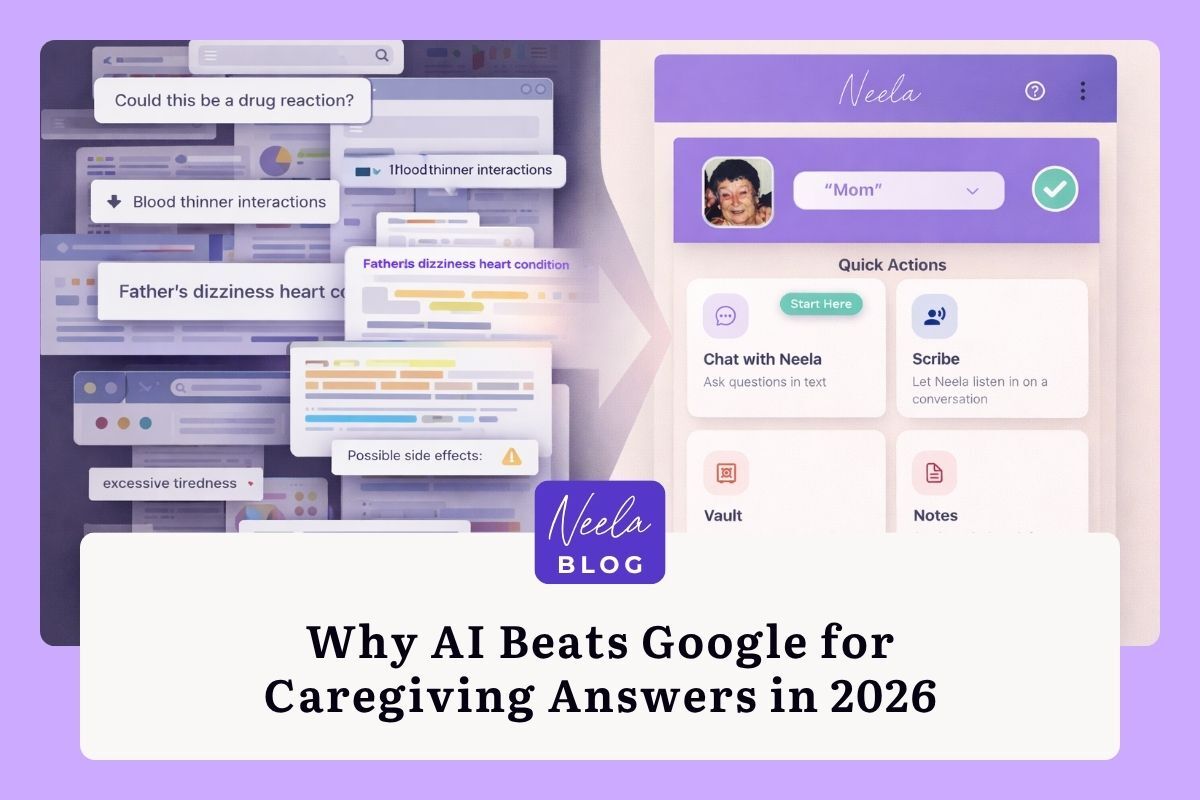
Discover how AI is transforming caregiving in 2026 by providing personalized, context-aware support that enhances decision-making and reduces...

Home care, assisted living, or a nursing home for your aging parent? A needs-based decision guide with costs, what Medicare covers, and what to...
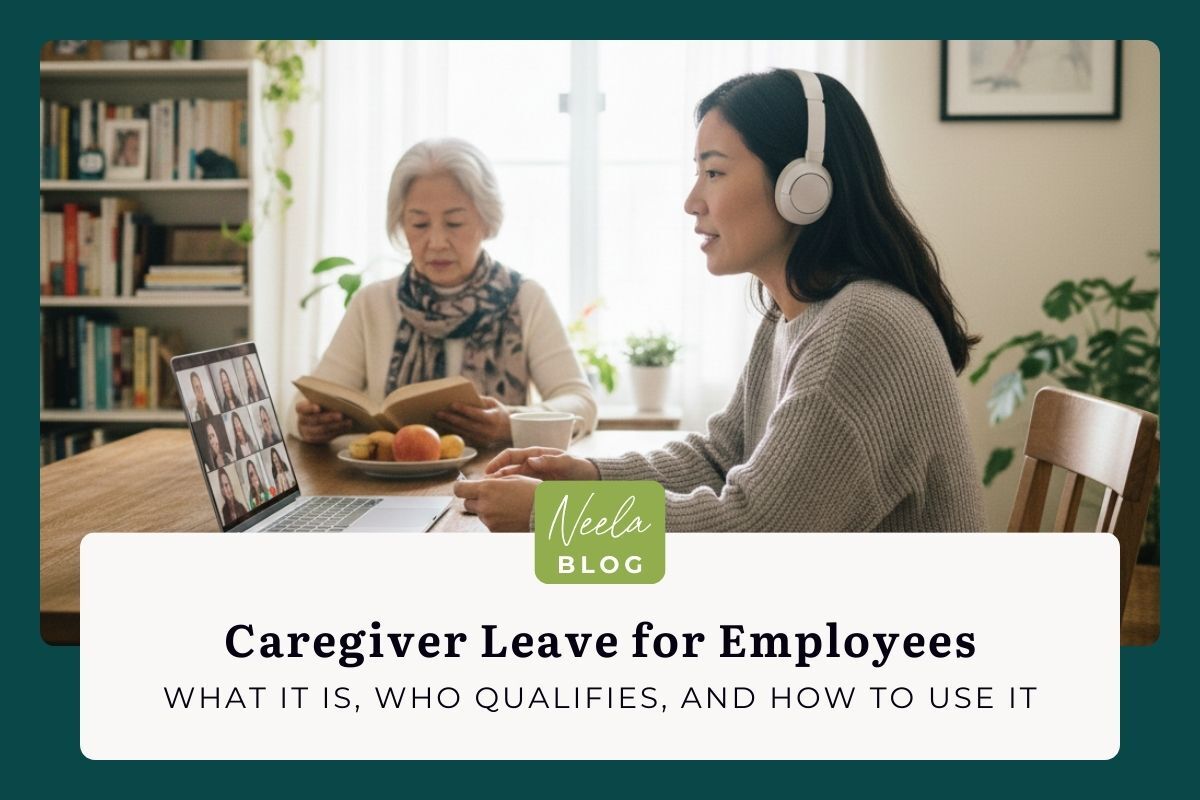
Discover what caregiver leave is, who qualifies, and how to use it to balance work and caregiving responsibilities effectively. Learn about available...