1 min read
Why do family caregivers struggle with medical information apps?
Discover why family caregivers struggle with medical information apps and learn how to overcome complex interfaces to better manage your loved one's...
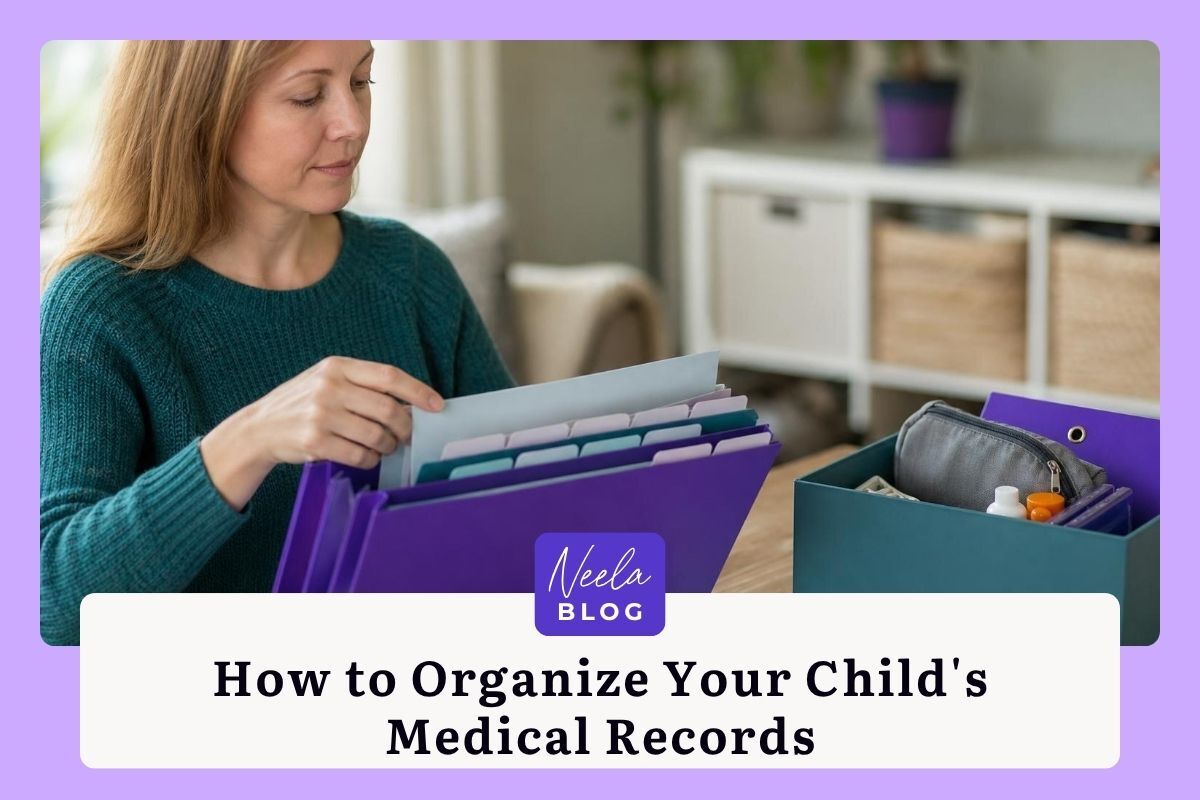
Your child's medical history is a living document that grows with every well-child visit, every vaccine, every unexpected trip to urgent care. And if you're the family caregiver keeping track of it all, you know how quickly papers pile up and details blur together. A single missed allergy note or a lost immunization record can turn a routine school enrollment into a stressful scramble. The good news? Learning how to organize your child's medical records doesn't require a medical degree or a filing cabinet the size of a refrigerator. It takes a simple system, a bit of consistency, and the right tools. Whether you're a new parent building records from scratch or you're juggling care details for a child with complex needs, this guide will help you create a reliable, shareable system that keeps every family member informed and every document within reach. You've got this, and you're already ahead of the curve just by thinking about it now.
Keeping your child's health information organized is a shared responsibility that works best when every caregiver in your child's life, from grandparents to babysitters, has access to the same accurate, up-to-date details. Building a proactive family care network means setting up systems before you need them, not scrambling to piece things together during an emergency room visit at 2 a.m.
Right now, your child's medical details probably live in a dozen different places: a pediatrician's patient portal, a stack of papers on the kitchen counter, text messages to your partner, maybe a note scribbled on the back of a receipt. That fragmentation is the real source of stress. Nearly 9 in 10 office-based physicians use an electronic health record system, which means much of your child's data exists digitally somewhere. But "somewhere" isn't the same as "accessible." The first step is choosing one central place, digital or physical, where every record lives. Many caregivers find that an app like Neela works well here because she brings appointments, notes, documents, medications, and provider contacts into one shared view for the whole family. That single source of truth eliminates the "I thought you had it" conversations that nobody enjoys.
If you share parenting responsibilities with a spouse or partner, both of you need equal access to your child's health information. One practical move: sit down together for 20 minutes and agree on where records will be stored and how updates get shared. When both parents can pull up the same vaccination history or medication list on their phone, handoffs between appointments become effortless. This is especially important if one parent typically handles doctor visits while the other manages school forms or insurance paperwork. A shared system means neither person becomes the sole gatekeeper of critical information.
Once you've picked a central location for your records, the next step is sorting them into clear categories. Think of it like setting up folders in a filing cabinet: you want to find what you need in seconds, not minutes.
Immunization records are the documents you'll reach for most often. Schools, daycamps, sports leagues, and travel all require proof of vaccination. Keep a running list that includes the vaccine name, date administered, and the provider who gave it. Pair this with a developmental milestones log that tracks things like first words, motor skill benchmarks, and growth percentages from well-child visits. These two categories together give any new provider a quick snapshot of your child's health trajectory.
A simple approach:
If your child sees specialists (an allergist, a speech therapist, an orthopedist), each of those visits generates its own set of records. Lab results, imaging reports, and specialist notes often don't automatically flow back to your pediatrician's chart. Keep copies of every specialist report, organized by provider name and date. When your child's primary doctor asks, "What did the allergist say?" you'll have the answer ready instead of waiting three weeks for records to transfer between offices.
The real value of organized records is what you capture and how quickly you can act on it. Every appointment produces information that shapes your child's ongoing care.
During a pediatric visit, you're often holding a squirming toddler, answering questions, and trying to absorb new information all at once. Writing detailed notes in that moment is nearly impossible. Neela's Scribe feature records and summarizes appointment details into clear, readable summaries you can review later and share with your partner or other family caregivers. Instead of relying on memory ("Did the doctor say to come back in four weeks or six?"), you have a written record you can reference anytime. That small shift, from memory-based to document-based follow-up, prevents a surprising number of missed instructions.
If your child takes any medications, even occasional ones like an inhaler for seasonal allergies, keep a master list that includes:
This list becomes essential during emergencies, when switching providers, or when a grandparent or other caregiver is watching your child. Update it every time a prescription changes. Even if your child is healthy and rarely needs medication, maintaining a current provider contact list (pediatrician, dentist, any specialists) saves time when you need to make a quick call.
Paper records get lost, damaged, or left behind. Digital copies solve that problem, but only if they're stored securely. You're dealing with sensitive health information about a minor, so privacy matters enormously.
Look for storage solutions that offer encryption and comply with health data privacy standards. Neela's Vault provides HIPAA-compliant document storage where you can upload insurance cards, lab results, immunization records, and specialist reports. Everything stays private and accessible only to the family members you choose to include.
A hybrid system works well for many families: keep digital copies of everything in your secure vault, and maintain a slim physical binder with laminated summary sheets for emergencies. That binder, stored in your car or by the front door, gives any caregiver instant access to critical information even without a phone or internet connection. Your first step here is simple: spend 15 minutes photographing or scanning the paper records you already have and uploading them to your digital vault. You can organize them later. Getting them captured is what matters most.
Organized records aren't useful if they sit untouched between annual checkups. The real payoff comes from weaving that information into your daily routine so it actively supports your child's care.
Between follow-up appointments, medication refills, therapy sessions, and school health forms, there's always something coming up. A shared calendar that every caregiver can see prevents double-bookings and missed appointments. Pair it with a task list so responsibilities are clear: who's calling the insurance company, who's picking up the prescription, who's filling out the camp health form.
Some practical tips for making this work:
This kind of structure turns "I think we have an appointment next week?" into "Tuesday at 10, and here are the three questions we want to ask."
Sometimes you just need a quick answer. What was the name of that antibiotic from last winter? When did she last get a dose of her allergy medication? Neela's Chat feature, called Ask Neela, lets you ask caregiving questions in plain language and get instant answers drawn from your own stored care information. She pulls from the records, notes, and documents you've already uploaded, so the answers are specific to your child, not generic search results. That kind of personalized, immediate access to your own data turns a moment of uncertainty into a moment of confidence.
The best organizational system is one you actually maintain. Here's the honest truth: you need a "good enough" system that you update consistently, not a perfect one. A present, engaged caregiver with a simple folder structure will always outperform someone with an elaborate setup they never touch.
Build a small habit around record-keeping. After every appointment, take five minutes to update your records: upload any new documents, add notes from the visit, and check whether any follow-up tasks need scheduling. That five-minute habit, repeated consistently, keeps your system current without turning it into a project.
If you haven't started organizing your child's medical records yet, pick the smallest possible first step. Maybe that's downloading Neela and uploading your child's most recent immunization record. Maybe it's creating a single folder on your phone labeled "Medical." Whatever gets you moving counts. You're building something that will serve your family for years, and every small action today makes the next doctor visit, school form, or emergency just a little easier to handle. Your future self will thank you.
Complete the form to receive notifications when new blogs are posted. You will only receive an email once a month!
1 min read
Discover why family caregivers struggle with medical information apps and learn how to overcome complex interfaces to better manage your loved one's...

1 min read
Roughly 63 million Americans now provide ongoing care to a loved one, and each of those caregivers juggles a staggering amount of information:...
1 min read
Caring for a family member is one of the most meaningful things you'll ever do, and also one of the hardest. Between managing medications,...